
Nassau County, from the North Shore to the South Shore
Mold Removal in Nassau County, Starting With Where the Water Came From
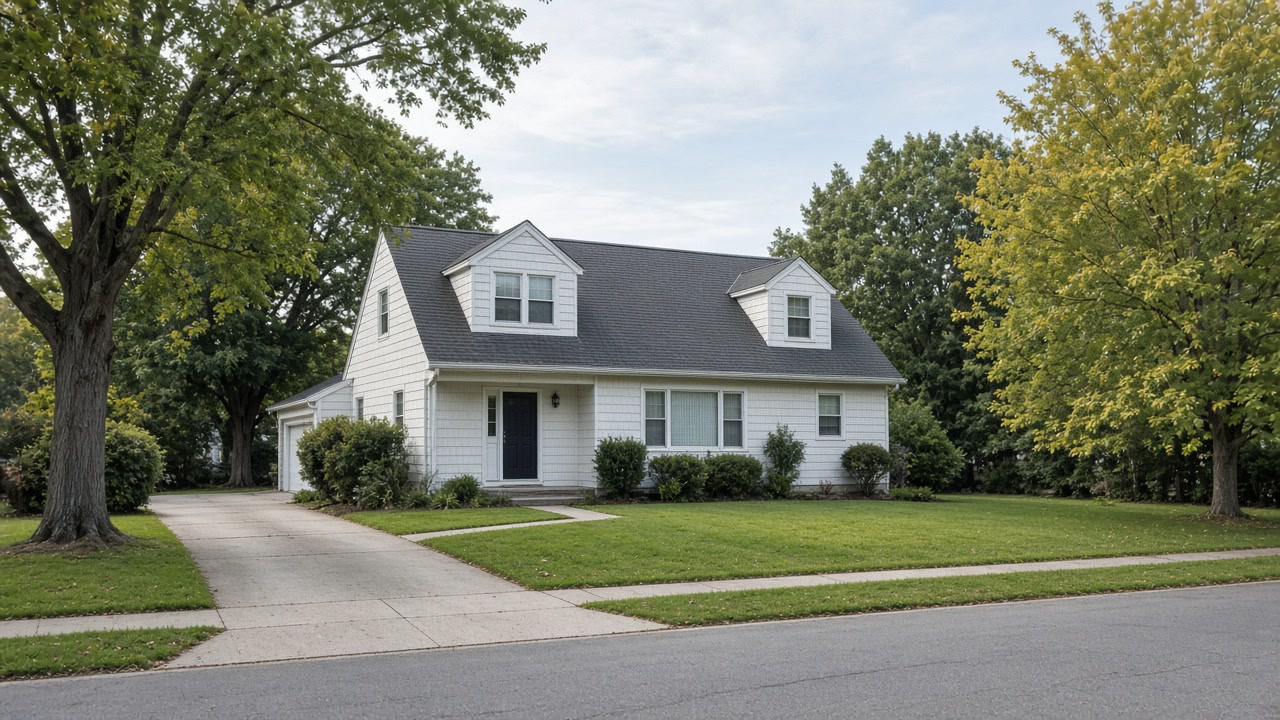
Before you pay for a sump pump, a sealer or a new floor, find out whether the water is coming up from the ground or out of the house. Tell us the town, the lowest level and where the damp is showing, and a person books the licensed New York trade that job needs, or tells you it needs nobody. In 2016 USGS found water 0.37 feet below one Manhasset Neck well and 165.27 feet below another about 1.3 miles away, so the same stain can mean two different repairs.
Request a Quote
Tell us the town, the lowest level of the house and where the damp is showing. In Nassau that is usually enough to say whether the water is coming up from the ground or out of the house, and which licensed trade the job needs.
Would you rather talk it through? Call (315) 640-3590.
$100 off your first job
Credited by us on your first booked job.
- One credit per customer per property, on your first booked job.
- Valid through December 31, 2026.
Mention this offer when you book. Full terms.
Three jobs, done by separate firms, in the order the water sets
The split is New York's, not ours. An assessment finds the moisture behind the growth and puts the scope in writing, and the state bars the firm that writes it from doing the removal. Remediation is that removal, carried out to the written plan by a second licensed company. Drying is the job you still have while things are wet, and caught within a day or two it is often the only one.
Mold Inspection and Assessment
Find out whether the water behind the mold is coming up from the ground or out of the house itself, and get the scope in writing before anyone quotes for removal.
Start here if you can see or smell mold, or a floor or wall stays damp, and nobody independent has yet said where the water is coming from.
About Mold Inspection →Mold Remediation and Removal
Have the growth taken out by a licensed remediation firm working to the independent assessor's written plan, with the water that fed it repaired first.
Start here if you already hold a written assessment, or the growth clearly runs well past a small patch and needs licensed removal.
About Mold Remediation →Water Damage Drying and Restoration
Get the water out and the structure dried before mold starts, including the slab, the flooring and the finished basement walls where water hides.
Start here if water got in during the last few days and you have not yet seen any growth.
About Water Damage Drying →Find out which way the water came before you pay for a fix
A sump pump will not stop a leaking pipe, and a new floor will not stop a damp slab. Describe the house and we will tell you which job this is.
How a Nassau mold job runs, from the form to the final check
Three steps, and the first one settles most of what follows: which way the water came, and how long it has been wet.
Tell us about the house and the damp
Six short questions cover the part of the county, the lowest level, where it is showing and how long it has gone on, then the form takes your address and ZIP code. A person reads it, and a job that needs nobody gets told so.
An independent assessor finds the water
A licensed assessor looks for the moisture source behind the growth and writes the remediation plan before work starts: the areas, the materials, the methods, an estimate of cost and time, and where possible who should fix the source.
A second firm works to that plan
A separately licensed remediator follows the written plan, and the assessor comes back afterwards to confirm the area is clear of visible mold and, where it can tell, that the cause has been dealt with.
What makes this a local problem
The USGS map of depth to the water table beneath Long Island for April and May 2016 marks the shallow areas in red and states that those are the areas where potential substructure flooding is more likely.
Source: U.S. Geological Survey, Scientific Investigations Map 3398 (Como and others, 2018), accessed 2026-09-23
Individual USGS readings of depth to the water table in spring 2016 across the center of the county include 25.18 to 26.37 feet in Garden City, 24.39 to 26.36 feet in Levittown, 47.35 feet in Hicksville, 48.22 feet in Westbury, 35.80 to 36.10 feet in Elmont, 43.31 feet in Garden City Park and 19.57 feet in Farmingdale.
Source: U.S. Geological Survey, Water Data for the Nation, groundwater field measurements, accessed 2026-09-23
American Heritage magazine, in a 1993 history of Levittown, states that the houses stood on concrete slab foundations with no basements, and that copper coils in the slabs provided radiant heating.
Source: American Heritage, Alexander O. Boulton, The Buy of the Century (1993), accessed 2026-09-23
New York Labor Law section 936 bars any licensee from performing both the mold assessment and the mold remediation on the same property, bars any person from owning an interest in both licensees on that property, and requires the assessment licensee to give a written report to each client it assesses for pay.
Source: New York State Senate, Consolidated Laws, Labor Law 936, accessed 2026-09-23
The same wet floor can be two different jobs in this county
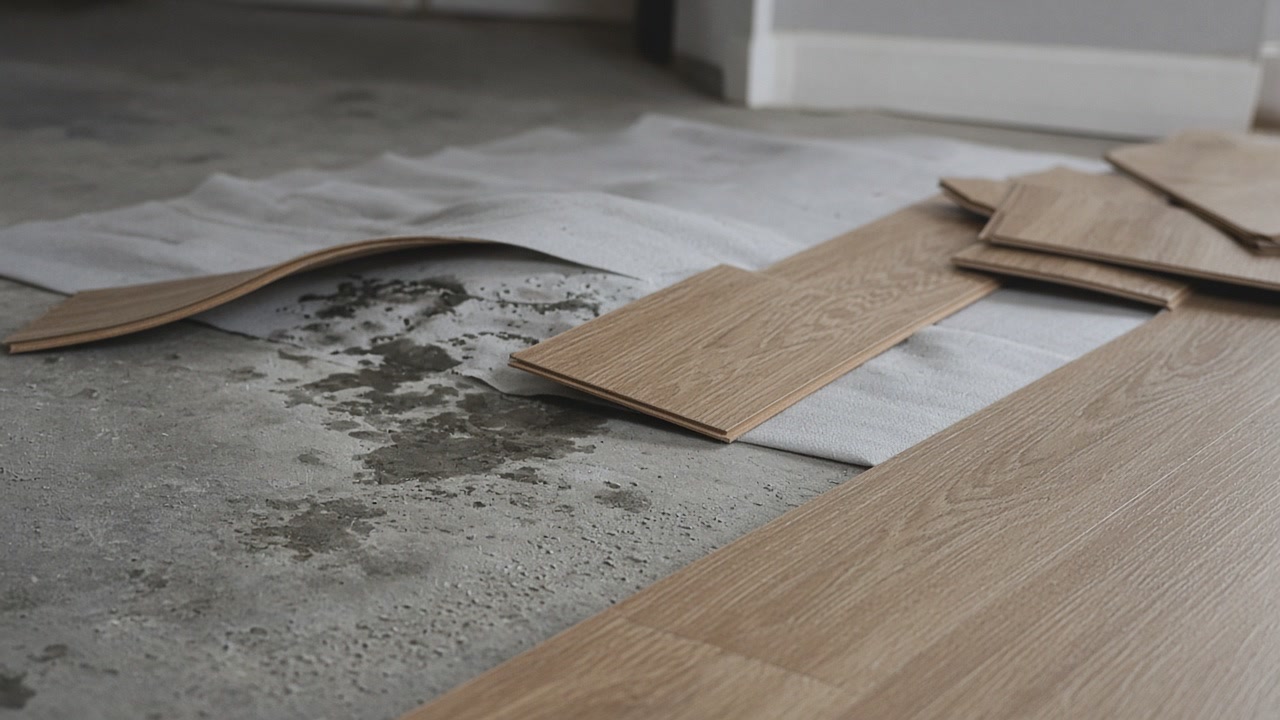
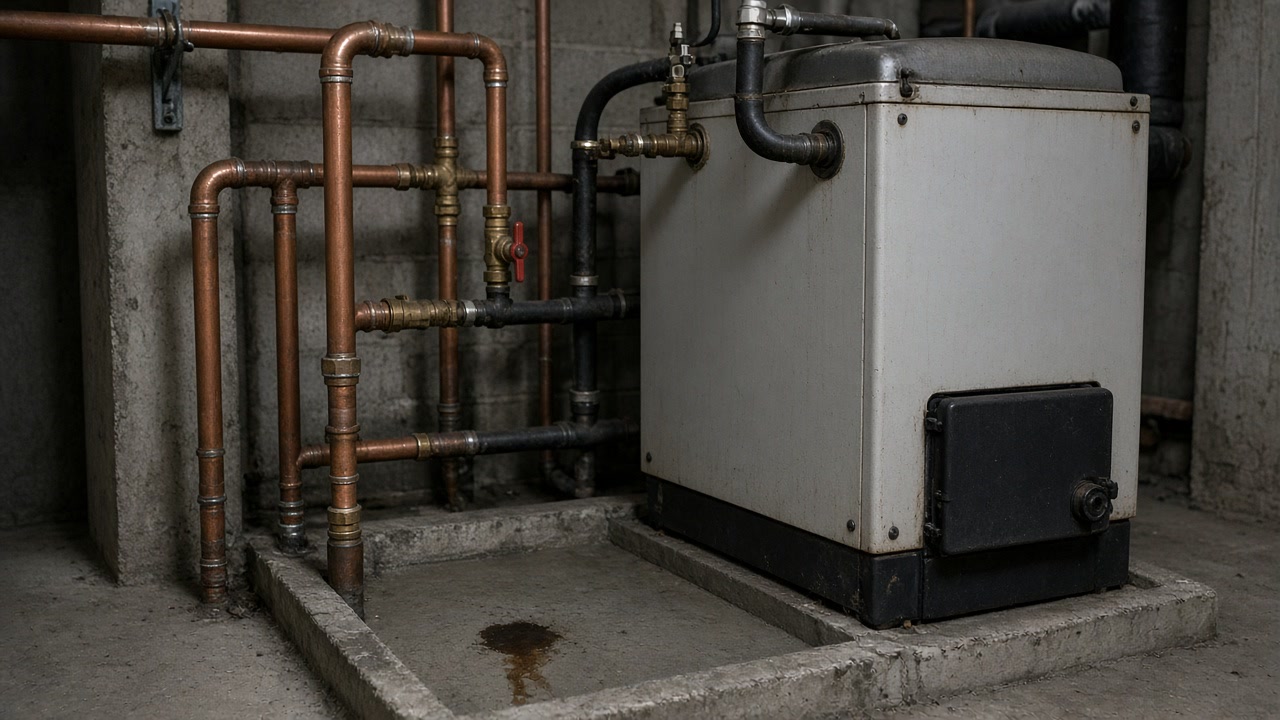
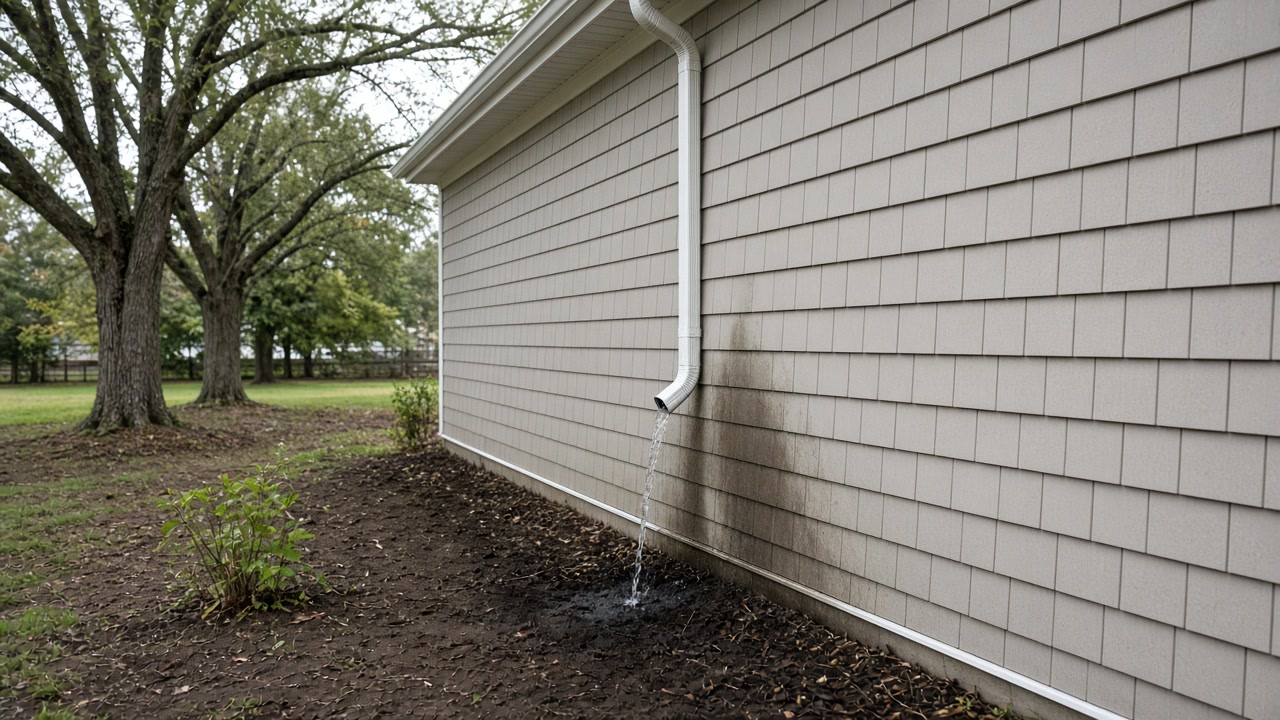
A damp lower level gets one of two causes. Either groundwater is pressing up from below, or water is getting loose inside the house: a supply or heating line, a slab with nothing under it to stop moisture, a gutter or grading that sends rain at the foundation, or condensation on cold concrete. The repairs for those have almost nothing in common, and buying the wrong one first is the most expensive mistake on the island.
The ground here does not help you guess. USGS publishes a map of how far down the water table sits across Long Island and says plainly that the shallow areas are where substructure flooding is more likely. The same map carries a stated error of plus or minus 5 feet and is drawn at 1:125,000, so it describes a district and never a single house.
That is why the first job is an answer, not a product. Tell us the town, the lowest level and where the damp is showing, and we book an independent licensed assessor to find the source before anyone quotes you a fix.
What changes when the question is which way the water came
We ask where the house sits first
USGS readings in the middle of the county in spring 2016 put the water table 25 to 48 feet down in Garden City, Levittown, Hicksville and Westbury. Under a house like that, a wet floor is very rarely the ground, so the search starts inside.
No fix sold for water that is not there
A sump pump will not stop a leaking heating line, and a sealer will not stop a gutter emptying at the foundation. The water source comes first, because the state says growth usually returns when it is left running.
Slab houses treated as slab houses
Levittown's houses were built on concrete slabs with copper heating coils and no basements, and much of the county went up in the same decade. We ask about the lowest level because a slab gets wet differently from a basement.
No tests you do not need
The State Department of Labor says sampling is rarely recommended, since some mold is always present and no state or national standard exists to judge a result against. We will not book a lab for a question the eye can answer.
Coverage across Nassau County, from the North Shore to the South Shore
Straight answers before you send anything
I found a small patch of mold in the bathroom. Do I need to hire anybody?
Probably not. The EPA says a homeowner can usually clean a moldy area smaller than about 10 square feet, roughly 3 feet by 3 feet, and New York only treats mold work as a licensed project above that size. An owner working on their own home is outside the licensing rules altogether. The part that matters is the moisture behind it: fix the fan, the leak or the drip first, then clean the surface, and keep your money.
Should I buy a mold test kit or pay for air sampling first?
In most homes, no. The New York State Department of Health answers that question with a plain no, because no agency recommends or requires home testing and no state or federal standard exists to compare a result with. Some mold is always in the air, so a sample almost always finds some. If you can see it or smell it, the useful question is where the water is coming from, not what a lab would say.
A pipe leaked but we had everything dry within a day. Is that a mold job?
Usually it is not. EPA guidance is that wet material dried within 24 to 48 hours of a leak or spill will in most cases not grow mold. Get the pipe repaired, keep the room below 60 percent humidity, and watch the spot for a few weeks. If a smell or staining turns up later, that is the time to send the form.
Isn't the water table just high everywhere on Long Island?
No, and in Nassau that belief sends a lot of money to the wrong fix. In spring 2016 USGS readings put the water table within 10 feet of the surface only at low ground by the bays and harbors, and 25 to 48 feet down across much of the middle of the county. Where it is that deep, a sump pump or an interior sealer is aimed at water that is not there. Nobody can tell you from a map alone which applies to your house, which is what an assessment is for.
What will mold work cost me?
We do not quote prices, and any figure on a web page is a guess about a house nobody has seen. What sets the size of the job is how much material has to come out and whether the water is still getting in. In New York the assessor's written plan has to include an estimate of cost and time, and you can hand that same plan to more than one remediation firm so each one prices exactly the same work.
Who licenses mold work here, and will the county health department test my house?
Mold licenses in New York come from the State Department of Labor under Labor Law Article 32, not from the county. The Nassau County Department of Health's mold page and fact sheet offer general advice and a number to call with questions, and describe no testing, inspection or licensing service. You can check any assessor or remediator on the Department of Labor's public license register before they set foot in the house.
Send the details and a real person reads them
No obligation, and your number is never added to a call list.