
Nassau County
Mold Removal in Levittown, NY, for Slab Houses With No Basement
If a Levittown floor is damp, stained or growing mold, an assessment separates a leak in the slab's heating pipes from moisture coming up through the concrete, because each needs a different trade. Levitt and Sons built 17,447 houses here from 1947 to 1951 on concrete slabs with no basements, with copper coils in the slab providing radiant heat.
Request a quote in Levittown
Tell us the town, the lowest level of the house and where the damp is showing. In Nassau that is usually enough to say whether the water is coming up from the ground or out of the house, and which licensed trade the job needs.
Would you rather talk it through? Call (315) 640-3590.
$100 off your first job
Credited by us on your first booked job.
- One credit per customer per property, on your first booked job.
- Valid through December 31, 2026.
Mention this offer when you book. Full terms.
Working on an original Levittown slab
Most of Levittown lies in the Town of Hempstead, with a smaller eastern part in the Town of Oyster Bay, and it has no village government, so permits go to whichever town the house is in. The original design is what makes a Levittown job different. A heating trade author writes that Levitt laid no vapor barrier under the slab, and that when the copper tubing leaked, the water soaked down into the ground instead of rising through the floor, so small leaks went unnoticed. Groundwater is not the story here: USGS wells in and beside Levittown read it 24 to 32 feet down. The moisture comes from above that, through a slab with no barrier or out of a pipe inside it. Nearly three in four Levittown homes, 73.0 percent, heat with oil, against about one in four countywide. Tell the assessor whether the house still uses its original floor heat, whether that system was abandoned in place, and what flooring sits on the slab now.
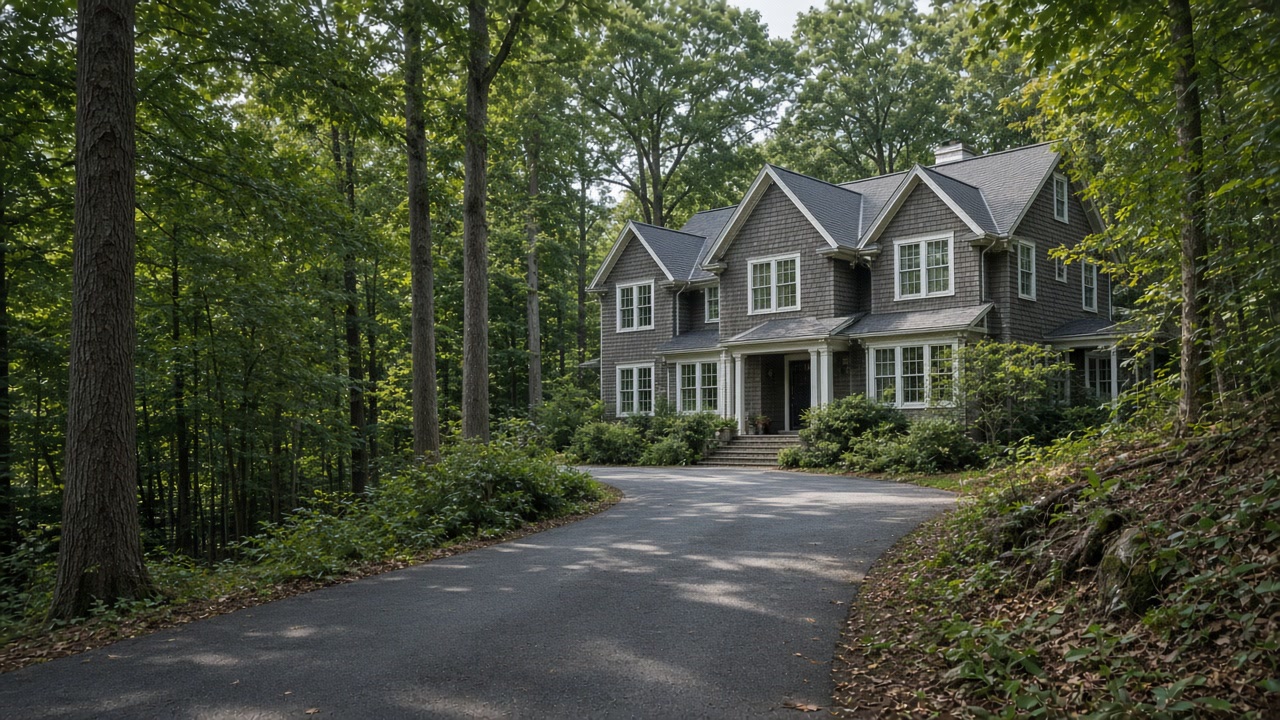
Does your Levittown house still have its floor heat?
Tell us whether the radiant coils are still in use, and where the floor is damp. In a Levittown slab that separates a plumbing job from a moisture job.
What we arrange for Levittown slab homes
Mold Inspection and Assessment
Find out whether the water behind the mold is coming up from the ground or out of the house itself, and get the scope in writing before anyone quotes for removal.
Mold Inspection in Levittown →Mold Remediation and Removal
Have the growth taken out by a licensed remediation firm working to the independent assessor's written plan, with the water that fed it repaired first.
Mold Remediation in Levittown →Water Damage Drying and Restoration
Get the water out and the structure dried before mold starts, including the slab, the flooring and the finished basement walls where water hides.
Water Damage Drying in Levittown →How Levittown's houses were built, on the record
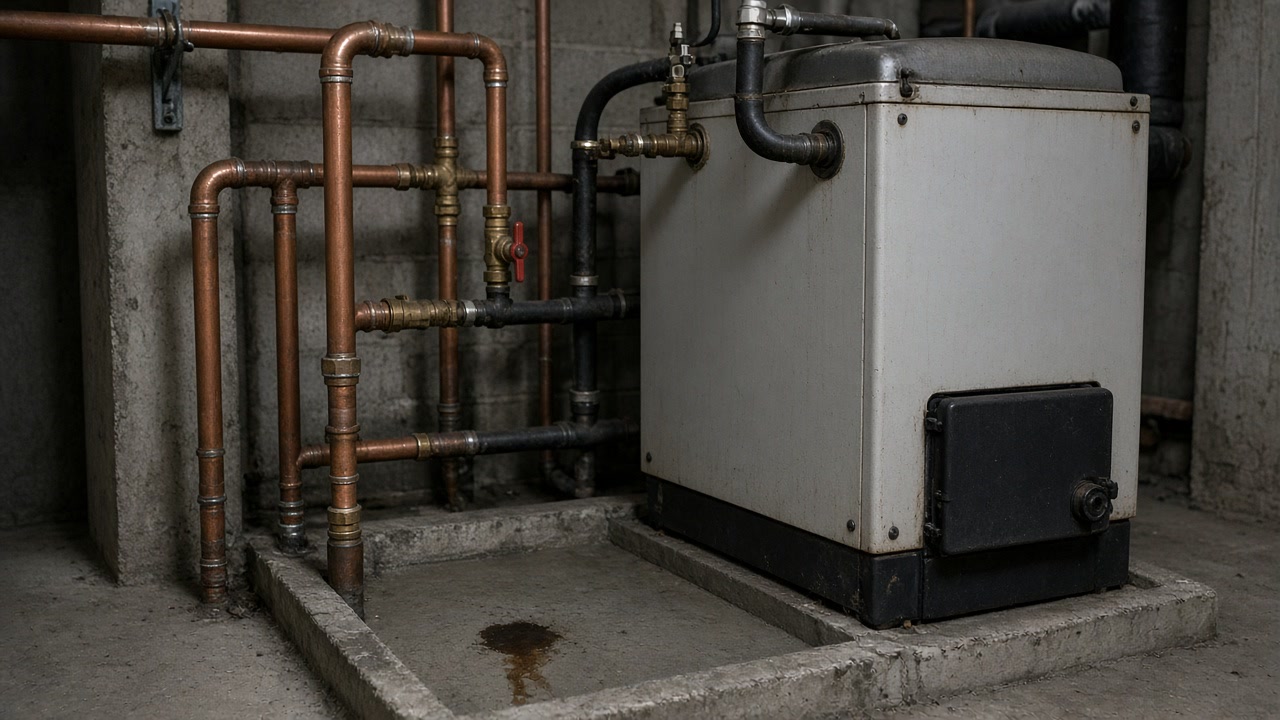
American Heritage magazine, in a 1993 history of Levittown, states that the houses stood on concrete slab foundations with no basements, and that copper coils in the slabs provided radiant heating.
Source: American Heritage, Alexander O. Boulton, The Buy of the Century (1993), accessed 2026-09-23
Heating trade author Dan Holohan writes that Levitt did not put a vapor barrier under the slab, and that when the copper tubing in the floors began to leak, the water soaked down into the ground instead of rising through the floor, so small leaks went unnoticed.
Source: HeatingHelp.com, Dan Holohan (trade author, secondary source), accessed 2026-09-23
The Levittown Public Library records that Levitt and Sons built 17,447 houses in Levittown between 1947 and 1951, with building beginning on May 7, 1947 and the project ending on November 21, 1951.
Source: Levittown Public Library, Levittown History Collection, accessed 2026-09-23
USGS well N 12250, inside Levittown, measured the water table 24.39 feet below the surface on March 18, 25.61 feet on April 18 and 26.36 feet on June 6, 2016, and well N 1259 just east of it in Plainedge read 31.29 to 32.11 feet over the same months.
Source: U.S. Geological Survey, Water Data for the Nation, groundwater field measurements, accessed 2026-09-23
In Census estimates for 2020 to 2024, 73.0 percent of Levittown's occupied homes heat with fuel oil or kerosene, nearly three times the Nassau County share of 26.5 percent.
Source: US Census Bureau, American Community Survey 2020-2024 5-year estimates, table B25040, accessed 2026-09-23
Tell us about the Levittown floor
A person reads each request. If the stain turns out to be old and dry, and nothing needs doing, we will tell you that too.