
Nassau County, from the North Shore to the South Shore
Water Damage Drying in Nassau County, From Wet Slab to Dry Floor
Get the water out and the structure dried before mold starts, including the slab, the flooring and the finished basement walls where water hides.
Water Damage Drying quote
Say when the water started, where it came from if you know, and what it reached: carpet, a finished basement wall, or flooring laid over a slab.
Would you rather talk it through? Call (315) 640-3590.
$100 off your first job
Credited by us on your first booked job.
- One credit per customer per property, on your first booked job.
- Valid through December 31, 2026.
Mention this offer when you book. Full terms.
Why drying a Nassau house is a race against two days
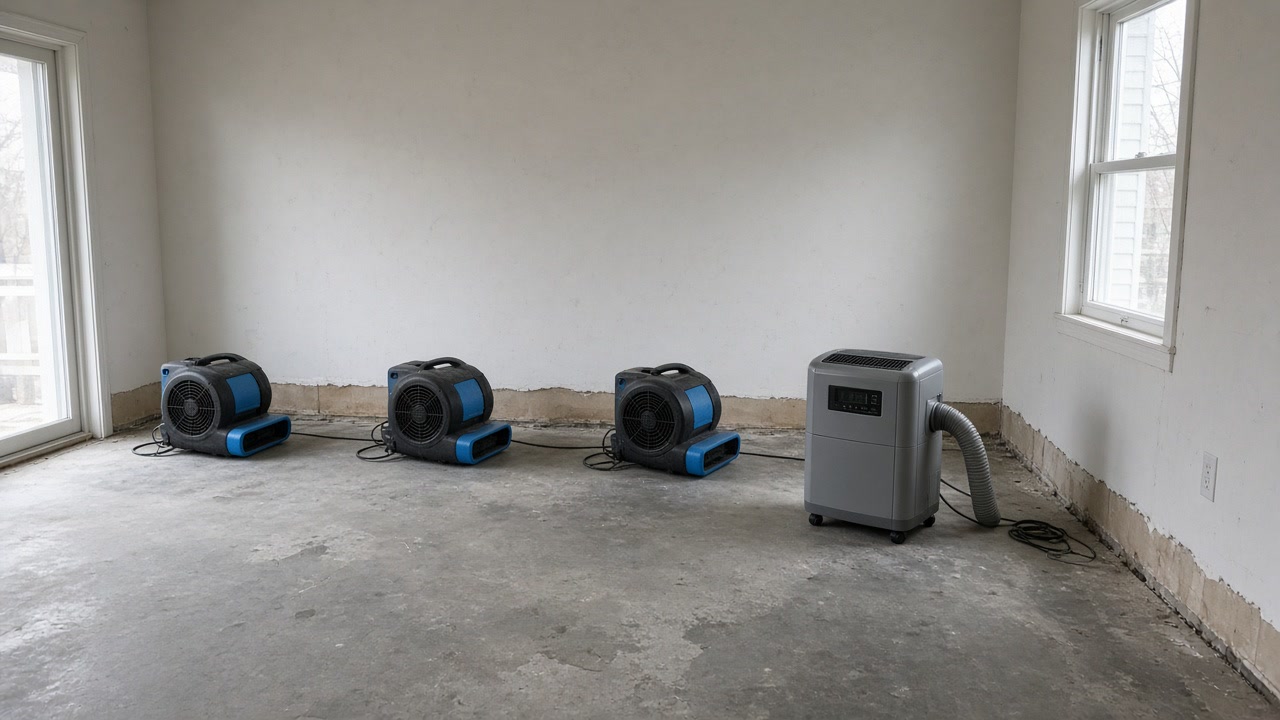
Mopping up the water you can see is the easy part. The real work is getting it out of everything that soaked it up: drywall, carpet pad, framing, and the concrete itself. The EPA advises drying water damaged materials within 24 to 48 hours, and says that in most cases mold will not grow if that happens. A drying crew extracts standing water, removes what cannot be dried, sets air movers and dehumidifiers, and takes moisture readings until the structure is dry, writing them down as it goes. Concrete is the slow part. The EPA describes slabs as very porous and able to hold a great deal of water, and says they must be thoroughly dry before tile, carpet or other water sensitive coverings go back on.
- Extraction of standing water from floors, carpet and basements
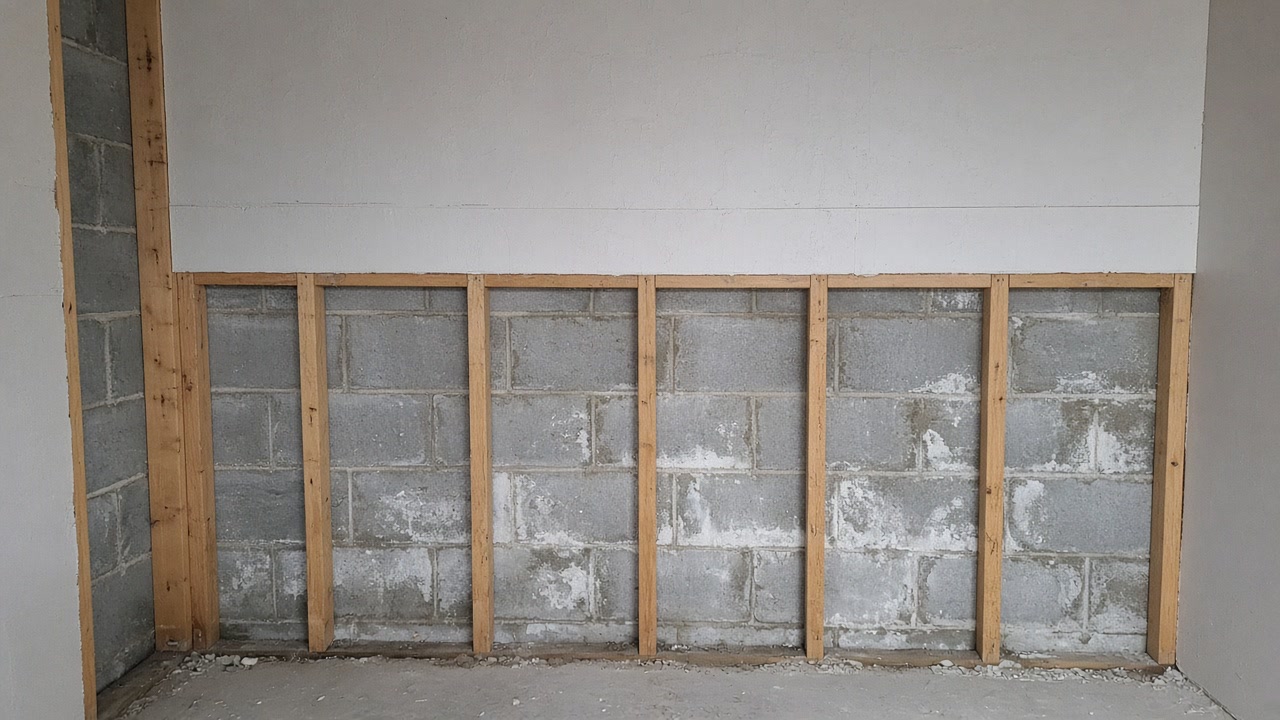
- Removing wet carpet pad, baseboard and the lower cut of drywall where they cannot be dried in place
- Air movers and dehumidifiers sized to the wet area and repositioned as the readings change
- Moisture readings on walls, framing and slab at each visit, recorded so the dry out has a paper trail
- Slab drying, followed by a vapor emission test before any new flooring goes down
- Drying finished basement wall cavities, which can mean opening the bottom of the wall
- A written record of the source, the dates and the readings that you can give an insurer or a future buyer
What makes one Nassau house slower to dry than another
Drying time follows what got wet and how deep the water went, not how much was on the floor. These are the things that decide it.
How many hours the wet material has been sitting
The EPA's window is 24 to 48 hours. Inside it, drying is usually the whole job. Past it, growth may already have started, and the work can turn into an assessment and a licensed removal.
Whether the water soaked into a slab
The EPA says the polyethylene sheet under a modern slab is the code required vapor retarder and breaks the path for moisture from the fill below. An older slab poured without one can keep drawing moisture up after the surface looks dry.
What is laid on the floor
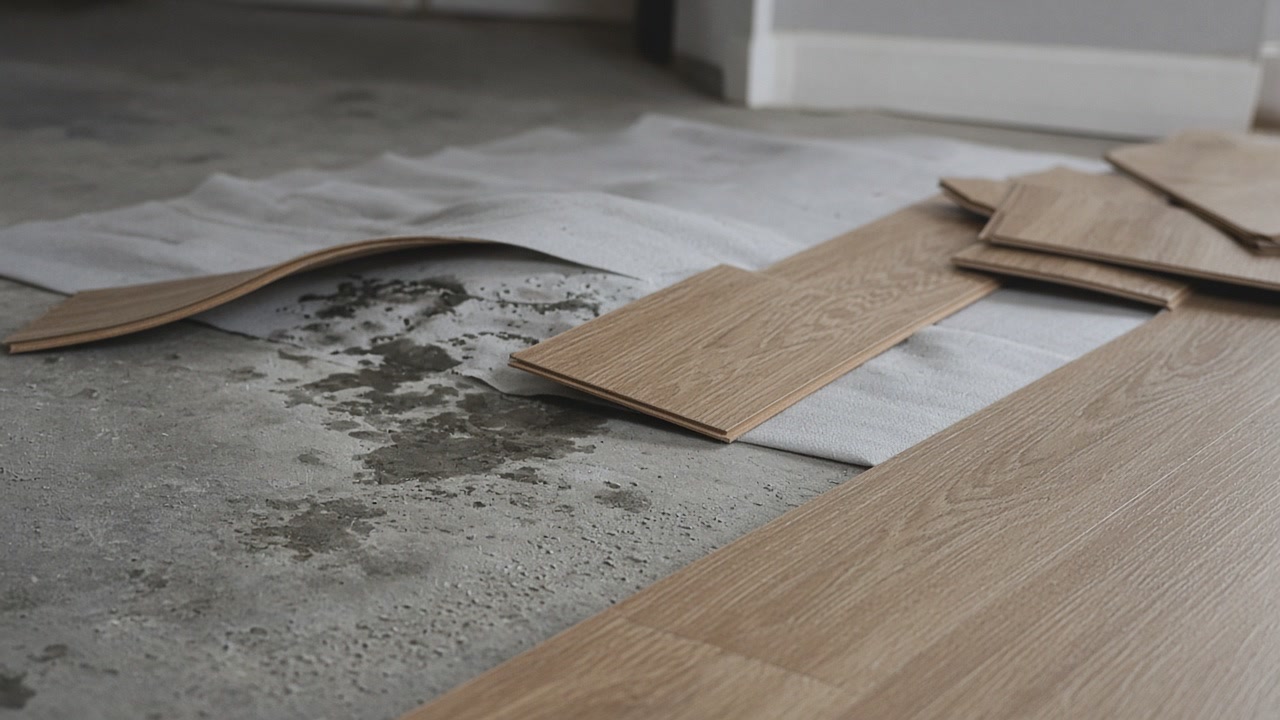
Carpet pad holds water like a sponge. Vinyl and laminate trap it against the concrete, where the EPA notes a covering over a slab that is still emitting vapor can fail and promote mold.
Whether the basement is finished
Water that reaches a stud wall runs into the insulation and the bottom plate, out of sight. Drying a finished room often means opening the lower part of the wall to reach it.
Whether the water was clean
A burst supply line is clean water. A backup from a drain or from a private cesspool system is not, and porous material it touched is generally removed rather than dried.
Whether the water came up from below
USGS says substructure flooding is more likely where the water table is shallow. If a basement took water with no leak and no storm, the crew can dry it, but it will be back, and an assessment should look at the direction of the water.
How humid the house stays while it dries
The EPA recommends keeping indoor humidity below 60 percent, ideally between 30 and 50. A closed up house in a humid stretch dries slowly without dehumidifiers running.
Is the floor still wet right now?
Note when the water started, then tell us what it reached: the slab, the carpet or the basement walls. We will say what to do first and connect you with a licensed drying crew if it needs one.
What happens in the first two days after water gets into a Nassau home
Stop the water and note the time
Shut the supply valve or deal with the source, and write down when the water started. The 24 to 48 hour window is counted from then, not from when a crew arrives.
Get the standing water out
Extraction comes first, because every hour water sits on a floor it moves further into the pad, the plates and the concrete.
Remove what cannot be dried
The state health department's guidance is to discard wet material that cannot be cleaned and dried thoroughly. Carpet pad and soaked drywall usually go; hard framing usually stays.
Dry the structure, not the room
Air movers push air across wet surfaces and dehumidifiers pull the water out of it. Readings on walls, framing and slab show where it is still wet, and the equipment moves to follow them.
Test the slab before a floor goes back
The EPA recommends measuring the vapor emission rate of concrete before a covering is laid, even long after the building went up. A slab that feels dry on top can still be releasing moisture from below.
Look at the source once it is dry
If the water came from outside, check gutters and the slope of the ground. If it came up through the floor with no leak, or keeps coming back, book an assessment before paying for any waterproofing.
What water damage drying looks like
When a Nassau homeowner can dry it alone, and what drying leaves out
When you may not need this at all
- A small, clean spill on a hard floor that you mop up and dry within a day or two usually needs towels, a fan and a dehumidifier. The EPA says that in most cases mold will not grow if wet material is dried within 24 to 48 hours.
- If the damp is condensation, such as sweating cold water pipes or a clammy basement wall in summer, the fix is insulating the pipes and lowering the humidity, not a drying crew.
- If water came in along the foundation after rain, check the gutters and the grade first. The EPA advises keeping gutters repaired and making sure the ground slopes away from the house.
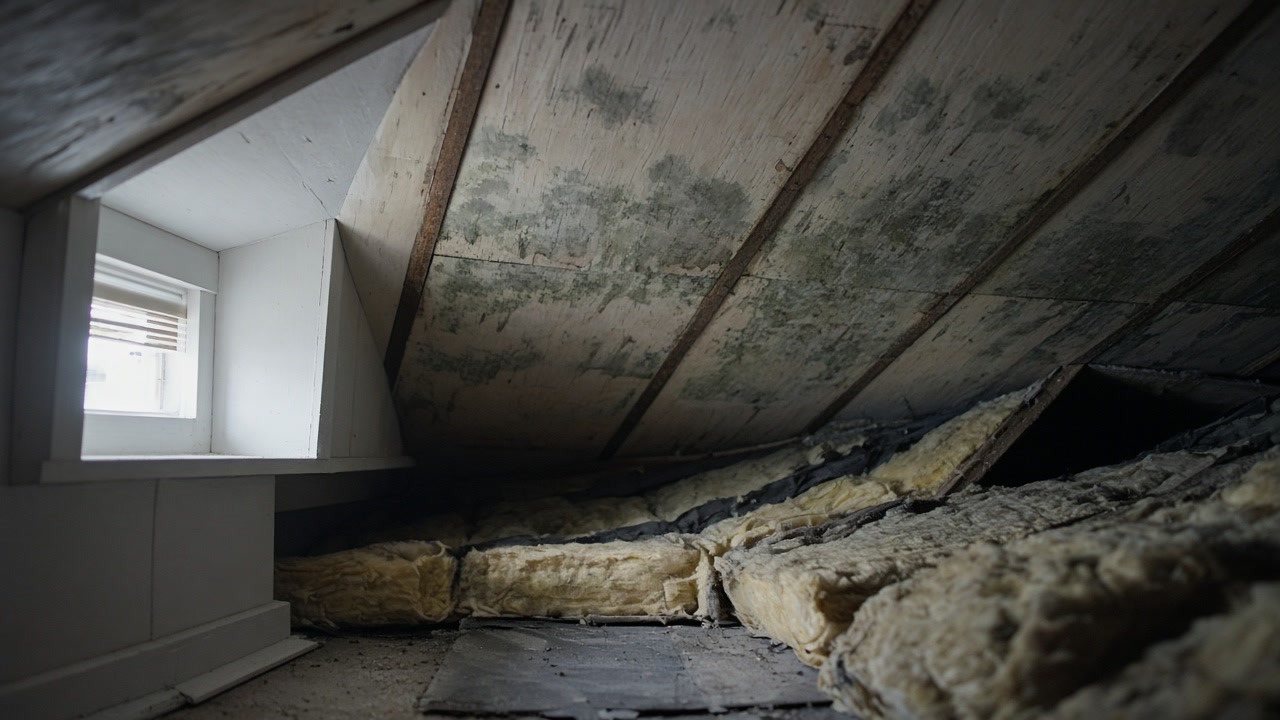
- If growth has already started, drying alone is the wrong service. Book an assessment so the removal is scoped properly.
What is out of scope
- Removing established mold growth, which needs an independent assessment and a separately licensed remediation firm
- Plumbing repairs, roof repairs and regrading
- Waterproofing, sump pumps and drainage systems
- Rebuilding floors and walls once the structure is dry
- Negotiating with your insurer or adjuster on your behalf
- Cesspool or septic pumping and repair
Water damage drying booked in Nassau towns, north to south
- Water Damage Drying in Port Washington
- Water Damage Drying in Manhasset
- Water Damage Drying in Great Neck
- Water Damage Drying in Glen Cove
- Water Damage Drying in Sea Cliff
- Water Damage Drying in Roslyn
- Water Damage Drying in Syosset
- Water Damage Drying in Hicksville
- Water Damage Drying in Levittown
- Water Damage Drying in Garden City
- Water Damage Drying in Mineola
- Water Damage Drying in Hempstead
- Water Damage Drying in Elmont
- Water Damage Drying in Massapequa
What Nassau owners ask while the floor is still wet
How quickly does drying need to start?
As soon as you can manage it. The EPA advises drying water damaged areas within 24 to 48 hours to prevent mold. We cannot promise when a crew will arrive, so do what you safely can meanwhile: stop the source, pull up loose rugs, and run fans and a dehumidifier.
The carpet feels dry on top. Is the floor dry?
Not necessarily. The pad under it and the concrete under that dry far more slowly than the surface. Only a moisture reading tells you, which is why a drying crew measures before it takes the equipment away.
When can the new floor go down?
After the slab has been tested, not when it looks dry. The EPA says a covering laid on concrete whose vapor emission exceeds the manufacturer's limit may fail, promote mold growth and void the warranty, and it recommends measuring before installation.
The basement took water and nothing leaked. Is that groundwater?
It can be, in the parts of the county where the water table is shallow, and USGS says substructure flooding is more likely there. But its depth map is regional, with a stated error of plus or minus 5 feet, so it cannot speak for one house. An assessor can check which way the water came before you spend on a pump or a sealer.
We are outside the mapped flood zone, so does drying still matter?
Not to the drying itself. The county hazard plan counts 4,312 paid flood insurance claims in Nassau on houses outside the mapped high risk zone, so the map is not a reliable guide to whether water gets in. What matters now is how long the material has been wet.
Does a drying crew need a mold license?
Drying out water damage before anything grows is not a mold project under New York's definition, which covers assessment, remediation or abatement of mold over ten square feet. Once growth of that size is present, separately licensed mold firms take over.
Get the slab and walls dried, not just the floor mopped
Describe the room, the source and how long it has been wet. Asking places you under no obligation.