
Mold Removal Across Nassau County, From the Sound to the Bays
Nassau County, from the North Shore to the South Shore
Towns we cover across Nassau County
Port Washington, NY
Tell us how far up the slope your Port Washington house sits and where the damp is showing, and we will say whether the ground or the house is the likelier source before anyone sells you a fix. Inside this one hamlet, USGS wells read the water table 0.37 feet below the surface at a low well near the harbor and roughly 33 to 80 feet down at wells more than 110 feet above sea level.
Coverage in Port Washington →Manhasset, NY
An assessment of a Manhasset house tells you whether the damp is the building's own age showing, and which licensed trade fixes it, before any money goes on waterproofing. Nearly half of Manhasset's homes, 47.3 percent, were built in 1939 or earlier, and the one USGS well inside the hamlet read the water table 66.21 feet below the surface.
Coverage in Manhasset →Great Neck, NY
Tell us which Great Neck village your home is in and where the damp is showing, and we will tell you whether it is more likely rising from the ground or leaking out of the house, and who has to be involved before work starts. The peninsula's villages keep very different records: Great Neck Plaza reports no land in the 100 year floodplain, the Village of Great Neck's own USGS well read the water table about 34 feet down, and shoreline wells in Kings Point read 6 to 8 feet.
Coverage in Great Neck →Glen Cove, NY
Send what you are seeing and whether your Glen Cove home is on the low ground by the water or up the hill, and we will say which direction this water most likely came from before any fix is priced. The City's own hazard plan names only its low-lying land along Long Island Sound as flood prone, and uphill USGS wells inside the city read the water table 70.50 and 104.57 feet down.
Coverage in Glen Cove →Sea Cliff, NY
If there is water or mold in the lowest level of a Sea Cliff house, knowing whether the home drains to a sewer or to its own cesspool tells you what kind of job this is before anyone starts cleaning. The Village reports that it oversaw the implementation of sewers in the five years before its hazard plan, and the county names sections of Sea Cliff where homes still have their own cesspool or septic system.
Coverage in Sea Cliff →Roslyn, NY
In the Village of Roslyn, groundwater is a real suspect for a wet lower level, so an assessment here starts by ruling it in or out before you pay for drying or sealing. The USGS well inside the village read the water table 10.26 feet below the surface, while a well in neighboring Roslyn Heights, on higher ground, read about 85 feet down.
Coverage in Roslyn →Syosset, NY
Mold in a Syosset lower level almost always traces back to the house or the weather, and an assessment finds which one so you are not paying to keep out groundwater that cannot reach you. A USGS well inside Syosset, at about 227 feet above sea level, read the water table close to 165 feet below the surface, and the Syosset weather station averages 47.73 inches of precipitation a year, more than Mineola.
Coverage in Syosset →Hicksville, NY
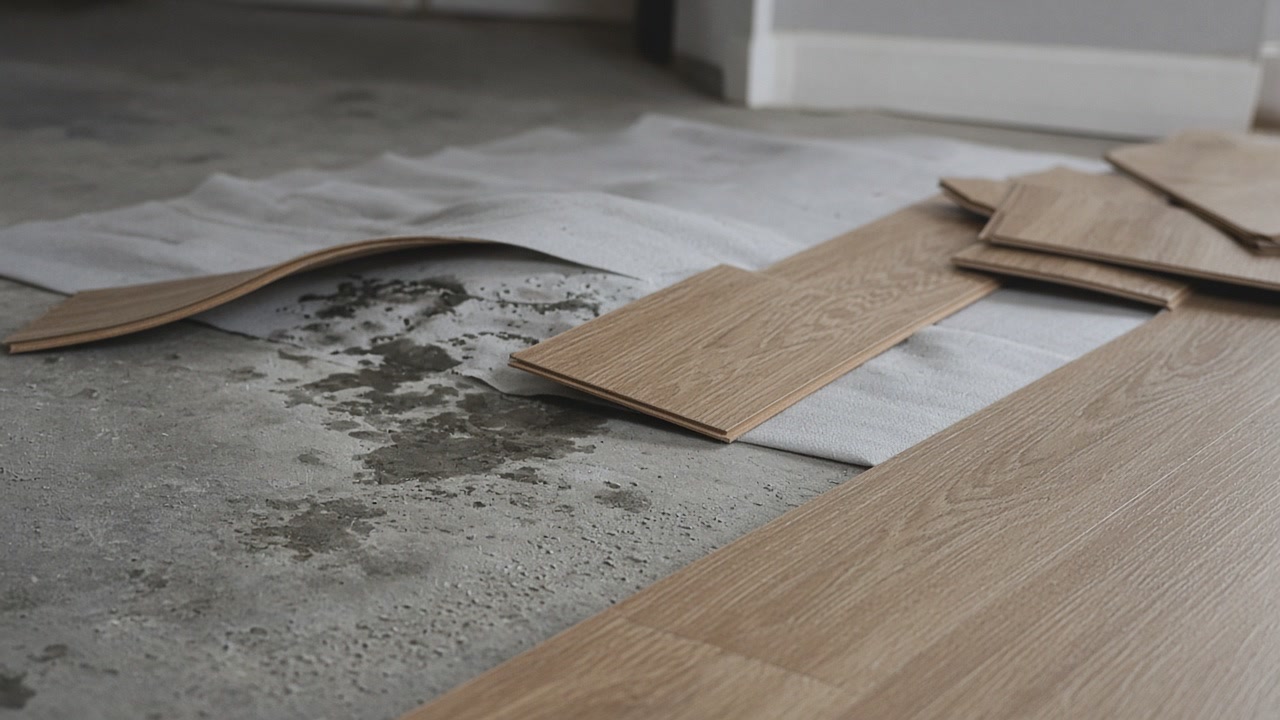
Planning new flooring in a Hicksville house, or finding mold under a floor that went down recently? An assessment tells you whether the concrete underneath is the source and what has to happen before anything else goes over it. More than half of Hicksville's homes, 57.8 percent, were built in the 1950s, and the USGS well inside the hamlet read the water table 47.35 feet down, so moisture in that concrete comes from the soil right under it, not from an aquifer almost fifty feet below.
Coverage in Hicksville →Levittown, NY
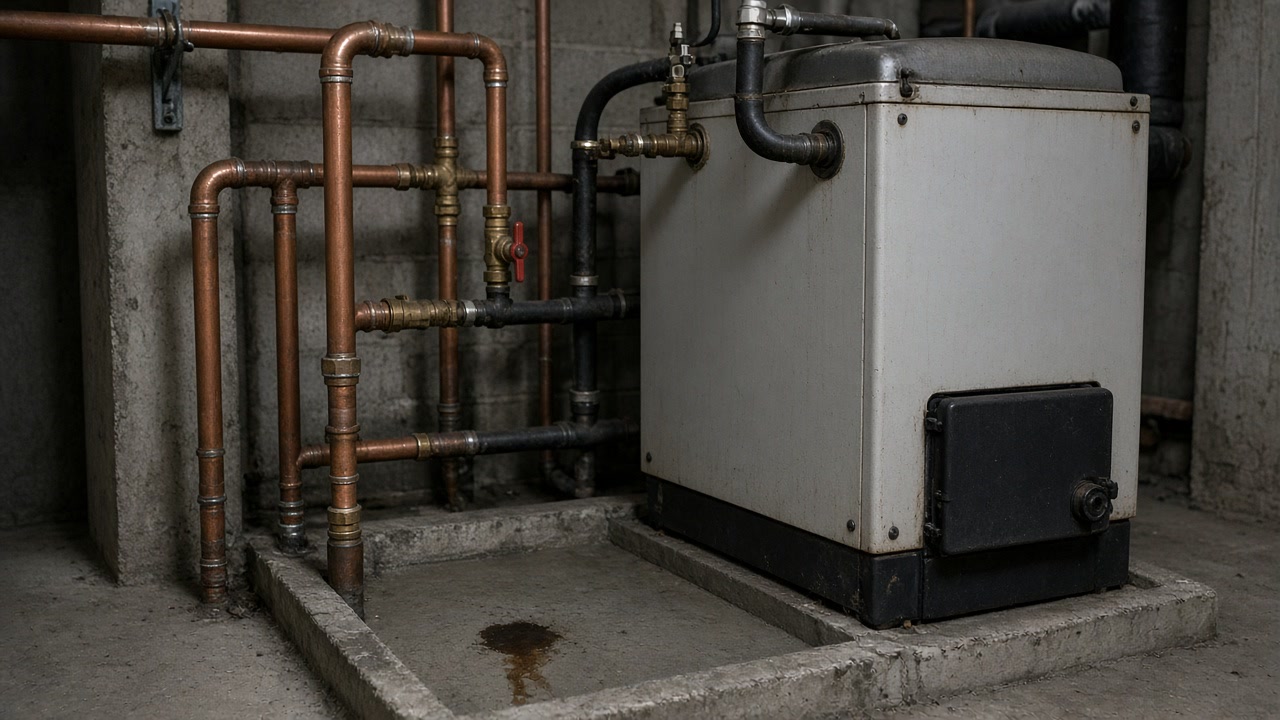
If a Levittown floor is damp, stained or growing mold, an assessment separates a leak in the slab's heating pipes from moisture coming up through the concrete, because each needs a different trade. Levitt and Sons built 17,447 houses here from 1947 to 1951 on concrete slabs with no basements, with copper coils in the slab providing radiant heat.
Coverage in Levittown →Garden City, NY
In Garden City, an assessment usually settles the flood question quickly and points to the part of the house that is actually letting water in, which is where the money should go. The Village reports that it sits in an area of minimal flood hazard on FEMA's maps, and since 1978 flood insurance has paid just 6 claims totaling $4,849 across the whole village.
Coverage in Garden City →Mineola, NY
When water shows up in a Mineola home after a storm, an assessment tells you whether it came across the ground outside or from somewhere inside, so the repair goes to the right place. NOAA's Mineola station averages 11.0 days a year with an inch of rain or more, and the Village reports that homes in its low-lying parts are prone to flooding from stormwater runoff.
Coverage in Mineola →Hempstead, NY
Whether you rent or own in the Village of Hempstead, an assessment gives you a written record of where the mold is and what is feeding it, which is what a landlord, a tenant or a repair crew needs to act on. More than half of the village's homes, 52.5 percent, are rented and 35.9 percent of units are in buildings of twenty or more, roughly three and four times the county's shares.
Coverage in Hempstead →Elmont, NY
If the damp in your Elmont home comes and goes, that pattern is useful: an assessment can use it to tell a leak or condensation from groundwater before you pay for waterproofing. The USGS well inside Elmont read the water table 35.96, 35.80 and 36.10 feet down in March, April and June 2016, a change of under four inches across three months.
Coverage in Elmont →Massapequa, NY
On Massapequa's low South Shore ground, groundwater is a genuine candidate for a wet lower level, so an assessment is worth having before you choose between a sump and a plumber. The Town of Oyster Bay reports that its southern shore is prone to flooding, and where USGS had no readings along the south shore marshes, its 2016 depth map simply assumed the water table stood at sea level.
Coverage in Massapequa →What arriving at a job looks like
Not sure if we reach you?
Send your ZIP code and we will confirm.
Request a Quote
Tell us the town, the lowest level of the house and where the damp is showing. In Nassau that is usually enough to say whether the water is coming up from the ground or out of the house, and which licensed trade the job needs.
Would you rather talk it through? Call (315) 640-3590.
$100 off your first job
Credited by us on your first booked job.
- One credit per customer per property, on your first booked job.
- Valid through December 31, 2026.
Mention this offer when you book. Full terms.
Tell us what you are seeing
Tell us what you are dealing with and we will take it from there.