
Is It Groundwater or a Leak? How to Tell, and Who to Hire in Nassau County
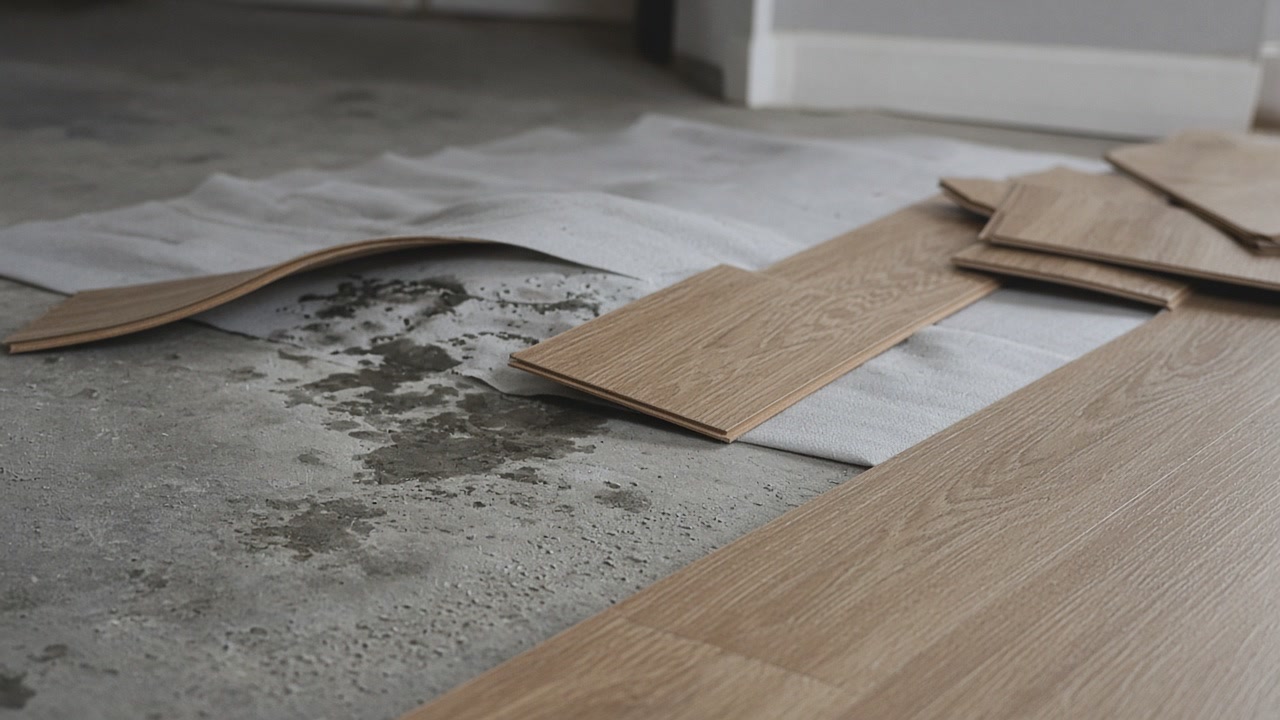
Look at where the house sits and where the water shows: damp at the lowest floor of a house on low ground near the shore can be groundwater, while damp on high ground, under a covering, around fixtures or on cold pipes is far more likely to be coming from the house. If you want mold over 10 square feet professionally handled, New York sets the order: a licensed assessor first, then a separate licensed remediator.
Already know you need someone out? Call (315) 640-3590.
From a damp floor to a finished mold job, in New York's order
Work out the likely direction
YouWhere the house sits, where the damp shows, and whether it tracks the weather, the season or the plumbing.
Assess and write the plan
A licensed mold assessment contractorFinds the moisture source where possible and writes the remediation plan under Labor Law 945.
Fix the water
The trade the plan namesThe state Department of Labor says the source should be corrected before cleanup.
Remove the mold
A separately licensed remediation contractorWorks to the assessor's plan. One company may not do both jobs on the same property.
Check the work
The licensed assessorA post-remediation assessment under Labor Law 947 confirms no visible mold and, where feasible, that the cause was fixed.
The assessment comes first and cannot be signed away. The firm that removes the mold never checks its own work.
Three questions that point the direction
Most people can narrow this down in ten minutes, and the answer decides who you need. First, where does the house sit? On the North Shore, the USGS wells that found water within 10 feet of the surface all stood at 18 feet above sea level or lower, at the harbor and Sound edges; up the slope and across the middle of the county it read far deeper. Second, where does the damp show? A wide, even dampness at the lowest floor on low ground fits groundwater. A patch under a rug, beside a fixture, below a window or along a cold pipe fits the house. Third, when does it happen: after rain, in humid weather, or whenever a faucet or the heat runs?
Checks you can make before anyone visits
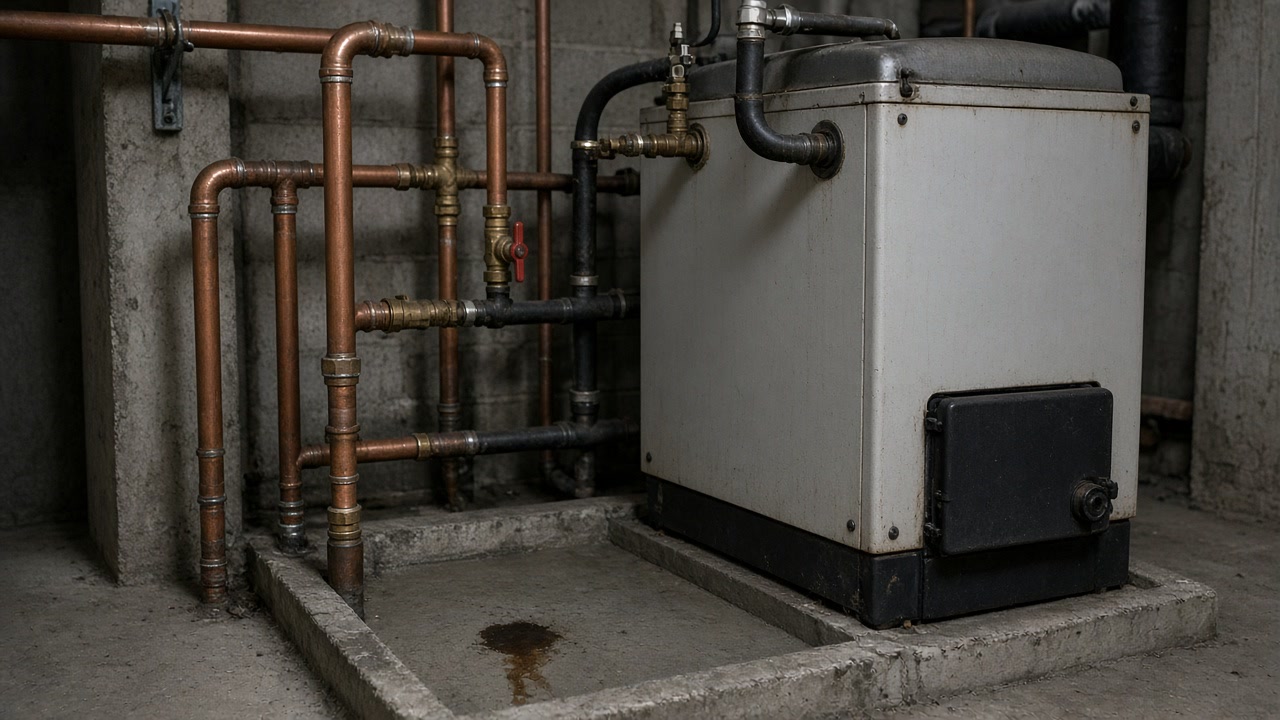
Buy a humidity meter. EPA puts the indoor target below 60 percent relative humidity, and a basement sitting well above it points at the air. Look for rust on pipes and beading on cold water lines, which EPA names as signs of condensation. Walk outside after heavy rain for overflowing gutters and ground sloping toward the walls, both on EPA's list. And think back: EPA says that wet materials dried within 24 to 48 hours of a leak usually do not grow mold, so growth in one spot points at water that keeps arriving. Write down what you find. It shortens the first visit and makes the assessor's report sharper.
When you do not need to hire anyone
Often you do not. The state Department of Labor says the mere presence of mold creates no obligation to get an assessment or remediate, and EPA says a homeowner can in most cases clean an area smaller than about 10 square feet. The state's mold licensing rules also leave out a homeowner working in their own house. Testing is rarely worth paying for: the state Department of Health says it is neither recommended nor required, and the Department of Labor points out that sampling almost always finds some mold and has no standard to compare the result against. If you have found the source and the patch is small, fix the water and clean it.
Who you hire, and in what order
Once you do bring in licensed firms for a mold project, New York fixes the sequence. The Department of Labor licenses mold assessment and mold remediation separately, and Labor Law section 936 forbids a single licensee to perform both on the same property, or anyone from owning an interest in both firms on that job. So the assessor comes first, finds the moisture source where possible, and writes a remediation plan under section 945. You then hand that same plan to the remediation contractors you are considering, which the Department of Labor describes as the way to get prices for the same work. On the access date the state register listed 116 active assessment or remediation licenses at business addresses in the 110 and 115 ZIP code ranges, which take in much of Nassau.
Why the assessment cannot be skipped
It is tempting to go straight to someone who will quote the removal. The Department of Labor says a licensed remediator may not work on a mold project without an assessment from a licensed assessor, even if the owner signs a waiver, and that removal estimates should not be given before the assessment, because an early number takes away the protection of an independent assessor. A remediator who hands you a fill in the blank assessment form is, in the Department's words, doing work that belongs to the assessor, in violation of section 936. If someone offers to do both, that tells you what you need to know.
Who checks the work, and who does not
At the end, Labor Law section 947 requires a post-remediation assessment by the assessment licensee, confirming the area is free of visible mold, that the plan was followed and, as far as feasible, that the cause was fixed. The Nassau County Department of Health is not part of that chain: its mold pages give cleanup advice and a contact for questions, and describe no county licensing, testing or inspection service. If you rent, the state Department of Health's route is the landlord or superintendent first, then the local building or code enforcement office. When you are ready, tell us the town, where the house sits and where the damp shows, and we will book the assessment first.
Sources used in this guide
In the spring 2016 USGS readings from North Shore Nassau water table wells, every well with water less than 10 feet below the surface stood at a land elevation of 18 feet or lower, at the harbor and Sound edges, including readings of 6.12 and 7.80 feet in Kings Point, 7.34 feet in Sands Point and 7.77 feet in Baxter Estates. Wells farther up the slopes read tens of feet.
Source: U.S. Geological Survey, Water Data for the Nation, groundwater field measurements, accessed 2026-09-23
The USGS map of depth to the water table beneath Long Island for April and May 2016 marks the shallow areas in red and states that those are the areas where potential substructure flooding is more likely.
Source: U.S. Geological Survey, Scientific Investigations Map 3398 (Como and others, 2018), accessed 2026-09-23
EPA recommends keeping indoor relative humidity below 60 percent, ideally between 30 and 50 percent, and notes that it can be checked with an inexpensive moisture or humidity meter sold at hardware stores.
Source: US Environmental Protection Agency, A Brief Guide to Mold, Moisture and Your Home, accessed 2026-09-23
EPA advises acting quickly when condensation or moisture collects on windows, walls or pipes, recommends covering cold surfaces such as cold water pipes with insulation, and names rust as an indicator that condensation occurs.
Source: US Environmental Protection Agency, A Brief Guide to Mold, Moisture and Your Home, accessed 2026-09-23
EPA advises cleaning and repairing roof gutters regularly and making sure the ground slopes away from the building foundation so water does not enter or collect around it.
Source: US Environmental Protection Agency, A Brief Guide to Mold, Moisture and Your Home, accessed 2026-09-23
EPA advises that water damaged areas and items be dried within 24 to 48 hours to prevent mold growth, and states that if wet or damp materials are dried within that window after a leak or spill, in most cases mold will not grow.
Source: US Environmental Protection Agency, A Brief Guide to Mold, Moisture and Your Home, accessed 2026-09-23
The New York State Department of Labor states that the mere presence of mold does not trigger any obligation to obtain an assessment or to remediate, but that a property owner who elects to hire an assessor or remediator for a mold project must use licensed firms that follow the law's requirements.
Source: New York State Department of Labor, Mold Frequently Asked Questions, accessed 2026-09-23
EPA advises that a homeowner can in most cases clean a moldy area smaller than about 10 square feet, roughly a 3 foot by 3 foot patch, and that larger growth or extensive water damage calls for its remediation guidance.
Source: US Environmental Protection Agency, A Brief Guide to Mold, Moisture and Your Home, accessed 2026-09-23
The New York State Department of Labor lists four exemptions from mold licensing: a residential owner working on their own property; a non residential owner or employee working on an apartment building of four or fewer units they own; an owner, managing agent or full time employee working on commercial property or an apartment building of more than four units the owner owns, if they do not do mold work for the public; and government units working on property they own, manage or remediate.
Source: New York State Department of Labor, Mold Frequently Asked Questions, accessed 2026-09-23
The New York State Department of Health answers no to whether a homeowner needs to test for mold, stating that testing is neither recommended nor required by any regulatory agency, that no state or federal standard for mold in homes exists, and that sampling can cost more than cleaning up and repairing the water problem.
Source: New York State Department of Health, publication 7287, accessed 2026-09-23
The New York State Department of Labor explains that mold sampling is rarely recommended because some mold is always present in air and on surfaces, sampling will almost always find it, and there are no national or state standards to compare the results against.
Source: New York State Department of Labor, fact sheet: What to Expect When You Hire a Mold Assessor and Mold Remediation Contractor, accessed 2026-09-23
The New York State Department of Labor issues five mold related licenses: Mold Assessor, Mold Assessment Contractor, Mold Remediation Contractor, Mold Abatement Worker Supervisor and Mold Abatement Worker.
Source: New York State Department of Labor, Mold Frequently Asked Questions, accessed 2026-09-23
New York Labor Law section 936 bars any licensee from performing both the mold assessment and the mold remediation on the same property, bars any person from owning an interest in both licensees on that property, and requires the assessment licensee to give a written report to each client it assesses for pay.
Source: New York State Senate, Consolidated Laws, Labor Law 936, accessed 2026-09-23
New York Labor Law section 945 requires the mold assessment licensee to prepare a written remediation plan before work starts, covering the work areas, quantities of material, methods, protective equipment, clearance procedures and criteria, occupant notices, an estimate of cost and time and, where possible, the underlying sources of moisture with the type of contractor who should fix them.
Source: New York State Senate, Consolidated Laws, Labor Law 945, accessed 2026-09-23
The New York State Department of Labor explains that the assessor must hand the client the mold remediation plan before cleanup begins, and that the client then gives that plan to the remediation contractors being considered so they can price the same work.
Source: New York State Department of Labor, fact sheet: What to Expect When You Hire a Mold Assessor and Mold Remediation Contractor, accessed 2026-09-23
According to the New York State Department of Labor, a licensed remediator may not work on a project without an assessment from a licensed assessor even if the owner signs a waiver, and remediation cost estimates should not be given before an assessment, because an early estimate removes the protection of having an independent assessor.
Source: New York State Department of Labor, Mold Frequently Asked Questions, accessed 2026-09-23
The New York State Department of Labor states that a licensed remediator who performs assessment work that belongs to the licensed assessor on the same project violates section 936, and that this includes handing the client a fill in the blank assessment form.
Source: New York State Department of Labor, Mold Frequently Asked Questions, accessed 2026-09-23
New York Labor Law section 947 requires a post remediation assessment by the assessment licensee to confirm the work area is free from all visible mold and that the work met the plan, and to determine, to the extent feasible, that the underlying cause has been remediated; if it has not, the licensee must recommend the type of contractor who could fix the source.
Source: New York State Senate, Consolidated Laws, Labor Law 947, accessed 2026-09-23
The New York State Department of Labor publishes its mold contractor licenses as open data. On the access date the register listed 807 active Mold Assessment Contractor licenses (SH125) and 946 active Mold Remediation Contractor licenses (SH126) statewide, and 116 active licenses of either kind at business addresses in ZIP codes beginning 115 or in the Nassau ZIP codes beginning 110.
Source: New York State Department of Labor, via New York State Open Data, accessed 2026-09-23
The Nassau County Department of Health mold fact sheet advises removing the source of moisture, repairing water damaged areas and dehumidifying damp areas, cleaning growth with a soapy or detergent solution while wearing gloves, goggles and an N-95 respirator, and seeing a physician about health concerns. It directs residents with further questions to the department's Residential Environment Unit.
Source: Nassau County Department of Health, accessed 2026-09-23
Neither the Nassau County Department of Health's mold web page nor its mold fact sheet describes any county mold licensing, testing, inspection or remediation service; they offer general guidance and a telephone contact for questions. Mold contractor licenses in New York are issued by the State Department of Labor under Labor Law Article 32.
Source: Nassau County Department of Health, accessed 2026-09-23
The New York State Department of Health advises tenants to clean small amounts of mold themselves, to ask the landlord or superintendent to inspect and repair persistent mold or water leaks, and, if the landlord does not act, to ask the local building department or code enforcement official to inspect the home.
Source: New York State Department of Health, publication 7287, accessed 2026-09-23
Services this guide relates to
Need someone to look at it?
Send the details and we will come back to you.