
Mold Inspection in Massapequa, NY, Where Groundwater Is a Suspect
An independent assessor tells you whether the water under your Massapequa floor is coming up from low ground or out of a pipe, so you know whether a drainage contractor or a plumber is next.
Mold Inspection quote in Massapequa
Tell us the town, the lowest level of the house and where the damp is showing. In Nassau that is usually enough to say whether the water is coming up from the ground or out of the house, and which licensed trade the job needs.
Would you rather talk it through? Call (315) 640-3590.
$100 off your first job
Credited by us on your first booked job.
- One credit per customer per property, on your first booked job.
- Valid through December 31, 2026.
Mention this offer when you book. Full terms.
Massapequa's South Shore ground on the USGS and town record
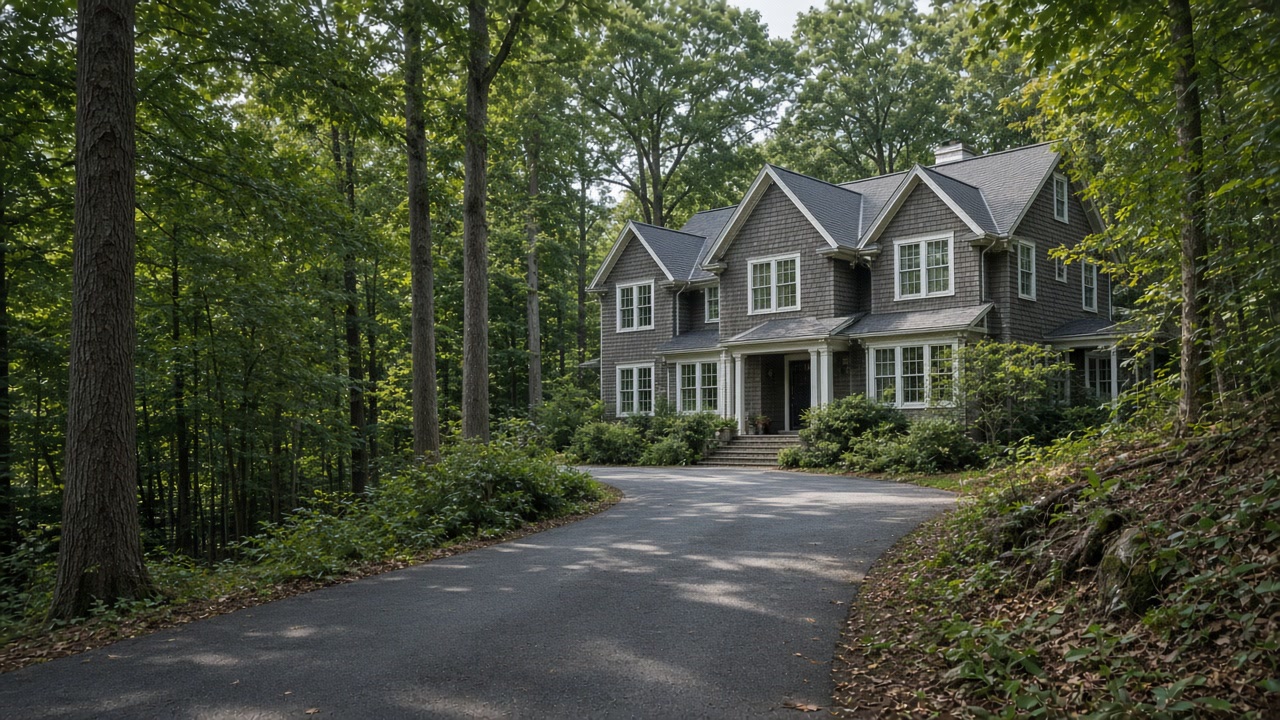
In its annex to the county hazard plan, the Town of Oyster Bay reports that its northern and southern shores are prone to flooding, that 4,527 flood insurance policies are in force in the town, and that 60 properties were substantially damaged in recent flood events.
Source: Nassau County Hazard Mitigation Plan 2021, jurisdictional annex for the Town of Oyster Bay, accessed 2026-09-23
Where USGS had no water level data along the south shore of Long Island, including the marshes and the barrier island, its 2016 depth map assumed the water table stood at sea level.
Source: U.S. Geological Survey, Scientific Investigations Map 3398 (Como and others, 2018), accessed 2026-09-23
USGS states that its 2016 depth to water table map is accurate only at a scale of 1:125,000 with a vertical error of plus or minus 5 feet, because the land elevation data and the water table data behind it were mapped at different scales, and that the general pattern of depth to water follows the topography.
Source: U.S. Geological Survey, Scientific Investigations Map 3398 (Como and others, 2018), accessed 2026-09-23
The New York State Department of Health answers no to whether a homeowner needs to test for mold, stating that testing is neither recommended nor required by any regulatory agency, that no state or federal standard for mold in homes exists, and that sampling can cost more than cleaning up and repairing the water problem.
Source: New York State Department of Health, publication 7287, accessed 2026-09-23
What a Massapequa assessor weighs on low ground
A Massapequa assessment hands you the answer to one expensive question, ground or house, along with the size of the affected area and a plan the removal firms must follow. Unlike much of the county, the ground is a live candidate here. The Town of Oyster Bay names its southern shore as flood prone, and USGS, lacking wells along the south shore marshes, drew the water table there at sea level on its 2016 map.
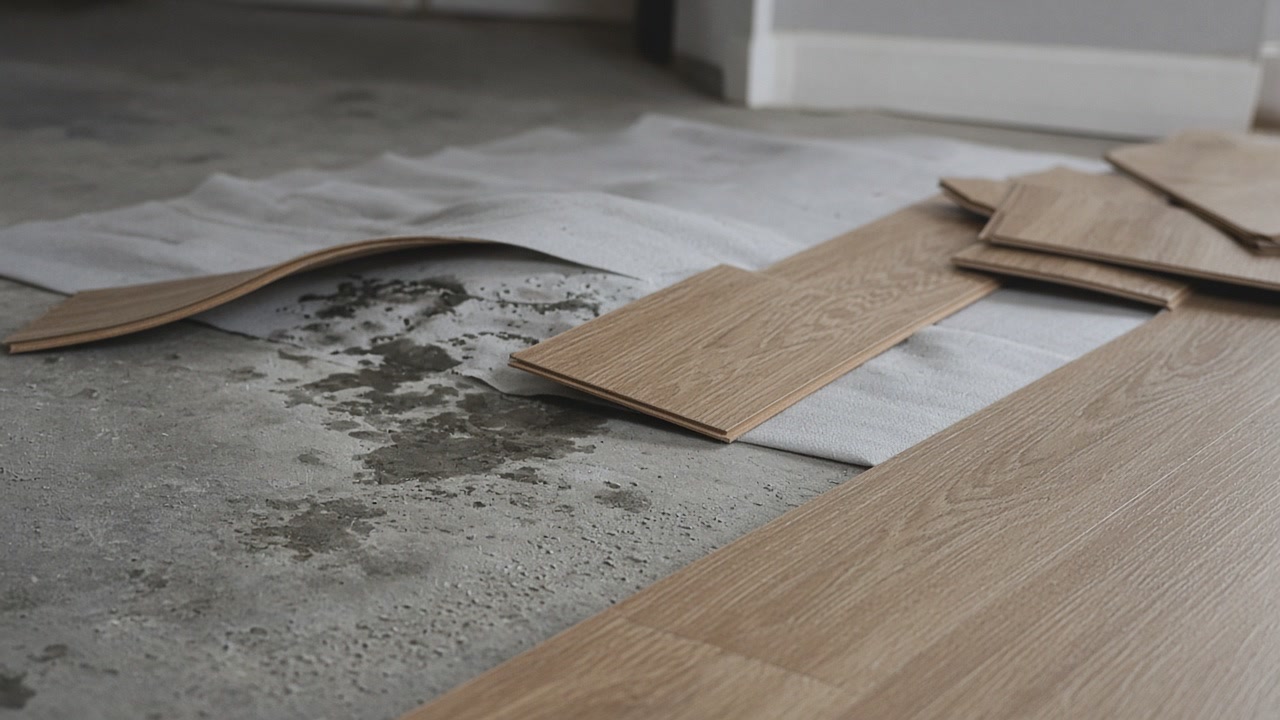
Massapequa: before you choose a sump, a sealer or a plumber
Here it pays to test both directions. Near the bay, water under a slab or in a basement may truly be groundwater, and the remedy may be a drainage trade or a sump, neither of which a mold firm installs. Farther inland, the house becomes the likelier source. The USGS map itself carries a vertical error of plus or minus 5 feet and is not built for a single property, so the assessor's readings inside your house count for more than any map. If the damp is a small patch by a bathroom, a fan and a cleaning may be all you need.
Distance from the bay
A rough idea is enough: near the water, midway, or well inland.
Rain or no rain
Damp that shows with no rain at all, low and even across the floor, is worth flagging as a possible ground source.
Past flood repairs
If the house was repaired after a flood, say what went back in. It changes what the assessor checks.
Near the bay in Massapequa, or farther up?
Give a rough location and where the floor is wet. An independent assessor can test both directions.
Removal and drying for a Massapequa home
Massapequa questions about groundwater and mold
If groundwater is the cause, will the assessor design the drainage?
No. The plan names the type of contractor needed, such as a drainage or waterproofing trade. Design and installation are theirs. The assessment is what tells you they are the right trade.
Do I need mold testing to prove the source?
No. A spore count says nothing about where the water came from, and the state health department does not ask homeowners to test at all. The source comes from moisture readings and the pattern of the damp.
Settle ground or house in Massapequa first
Send the details. We read each one ourselves and reply.