
Hempstead / Mold Assessment
Mold assessment in Hempstead: name the leak before anyone sends a bill
You have spots on a ceiling or a smell in a closet, and the landlord, the building and the neighbors all point elsewhere. Send us the address type and the room, and we arrange an assessor to find the source and write it down.
Name the Hempstead wet spot for an assessor. Book the job, and we apply $100 off your first job.
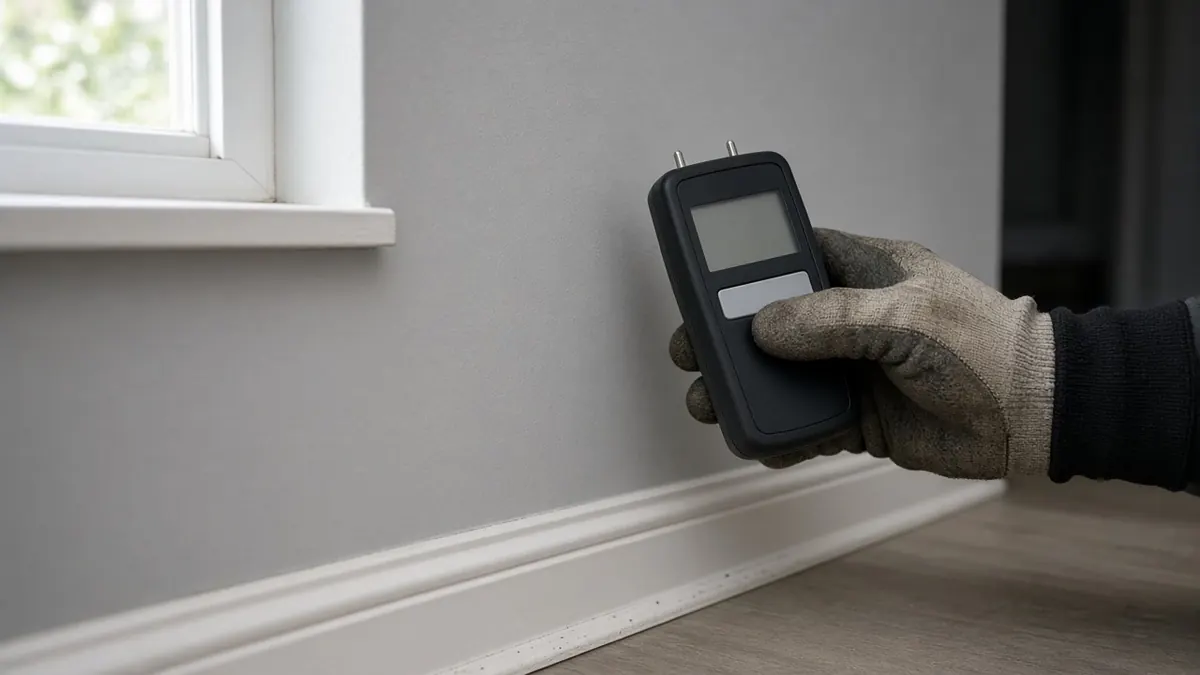
We book your mold assessment first. A separate company does the removal. We are not the contractor.
Describe the wet spot
Start with a name, a mobile number and your ZIP. Add the room and the surface if you can.
What Mold Removal Nassau County stands behind
- R1Reaching out is free, and you owe us nothing.
- R2We charge nothing for sorting out the job.
- R3Your assessor and your remediator work for different firms.
Your first booked job comes $100 off, paid by us.
- The $100 comes from us, so the contractor's quote is unchanged.
- One per customer at each Nassau County address.
Signs your Hempstead house needs a mold check
- Growth that returned after a landlord repairA patch over fresh paint means the wet was never traced. An assessor follows the moisture to its start.
- Spots on a stairwell or shared ceilingIn a larger building the leak can start two floors up. Written findings tell the owner where to look.
- A damp ground floor in a mid-century houseOld pipes and old roofs fail slowly. You want the damp area mapped before a contractor opens a wall.
- A dispute that needs one set of factsTenant, owner and adjuster can argue for months. A dated report gives all of them the same page.
Quick answers
Can I order an assessment in a unit I rent?
Tell your landlord first and ask for access. An assessment is easier when the owner knows it is coming, and the findings help both of you.
What does the assessor put in the written findings?
The affected areas, moisture readings, the likely source and a plan that any cleanup firm can price. It is the document the rest of the job rests on.
Does a small patch need an assessment?
Sometimes not. A small patch that keeps returning still deserves a look at the source, even when it is under the size EPA says an owner can often handle.
How long does an assessment take?
It depends on the unit size and the rooms involved. Ask for a visit window and a delivery date for the findings when you book.
Findings a tenant and an owner can both use
More than half of Hempstead homes are rented, so many assessments here end up on a landlord's desk. A good report names the room, measures the damp and says what is feeding it. That moves the conversation from opinion to evidence.
Ask the assessor to include photographs, moisture readings and a short plain note on the likely source. If the cause is a roof or a shared pipe, the report should say so. A tenant can then attach it to a written request, and an owner can hand it to the right trade.
Before you book, tell us if the damp is in your unit only or runs into a neighbor's wall. That detail shapes the visit.
Share the report with whoever controls the repair. In a larger building that may be a managing agent rather than the owner, so ask who to send it to. Follow up in writing a week later if nothing has moved.
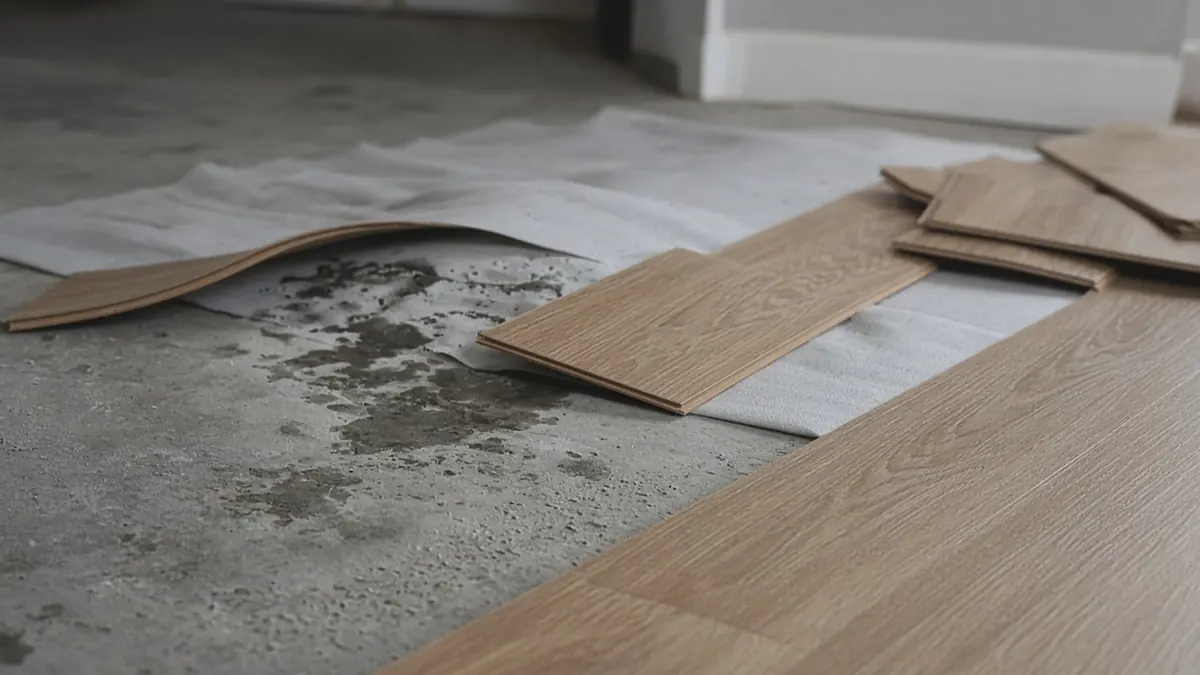
What an older building gives away
The median Hempstead unit dates to 1958, and over half were built before 1960. Assessors in buildings this age look at supply lines, roof edges, window frames and bathroom fans. They also check cold surfaces where indoor moisture condenses.
The village says it is outside the 100 year floodplain, yet it also says its flood maps do not accurately portray the risk. So a basement leak is not ruled out by a clean map. Your assessor reads the building and the lot, not the map.
Walk the space with them if you can. Point to the spots, tell them when it started and mention any recent repair.
Bring up any past water event, even an old one. A stain painted over two winters ago can explain growth that looks new today.
Why the assessor cannot also be the cleanup firm
New York law bars one licensee from assessing and also removing on the same property, and bars owning a stake in both firms. A paying client must also get a written report.
Ask the assessor for a license number and check it against the state's published license data. If anyone offers to assess and remove together, walk away.
You are paying for independence, so expect the assessor to leave the cleanup bid to someone else. That separation is what makes the report worth holding in a dispute.
What Mold Removal Nassau County stands behind
- R1Reaching out is free, and you owe us nothing.
- R2We charge nothing for sorting out the job.
- R3Your assessor and your remediator work for different firms.
- R4The $100 credit applies just as the Terms set out.
The work itself falls under your own contract with the contractor.
Mold Removal Nassau County, (315) 640-3590 Read the full terms
Your first booked job comes $100 off, paid by us.
- The $100 comes from us, so the contractor's quote is unchanged.
- One per customer at each Nassau County address.
- Book the job by December 31, 2026 to use it.
- The contractor quotes and bills the work.
The other jobs in Hempstead
Mold Assessment nearby
Go wider
Start with where the water came from.