
Mold Remediation in the Village of Hempstead, NY, for Larger Buildings
Get a clear answer on who may remove the mold in your Hempstead building, your own staff or a licensed firm, and have licensed firms price the independent plan.
Mold Remediation quote in Hempstead
Tell us the town, the lowest level of the house and where the damp is showing. In Nassau that is usually enough to say whether the water is coming up from the ground or out of the house, and which licensed trade the job needs.
Would you rather talk it through? Call (315) 640-3590.
$100 off your first job
Credited by us on your first booked job.
- One credit per customer per property, on your first booked job.
- Valid through December 31, 2026.
Mention this offer when you book. Full terms.
Hempstead building owners: in-house crew or licensed firm
Using your own staff can be legal, but it does not remove the reasons to do the job properly. The state health department puts correcting the moisture source first and discarding heavily grown porous materials second, and a tenant's lease carries a warranty of habitability that cannot be waived. For larger or recurring growth, an independent assessment and a licensed remediation firm give you a written scope and a clearance record. Permits for rebuilding go to the Village of Hempstead's building department, not the Town.
Staff or firm
Full time staff of the owner may work on the owner's building. Outside contractors must be licensed for work over about ten square feet.
The shared source
A roof, riser or common drain feeding several units is fixed once, before any unit is cleaned.
Tenants in place
Plan containment so neighboring units stay usable, and tell residents what is happening in writing.
Hempstead's building sizes on the census record
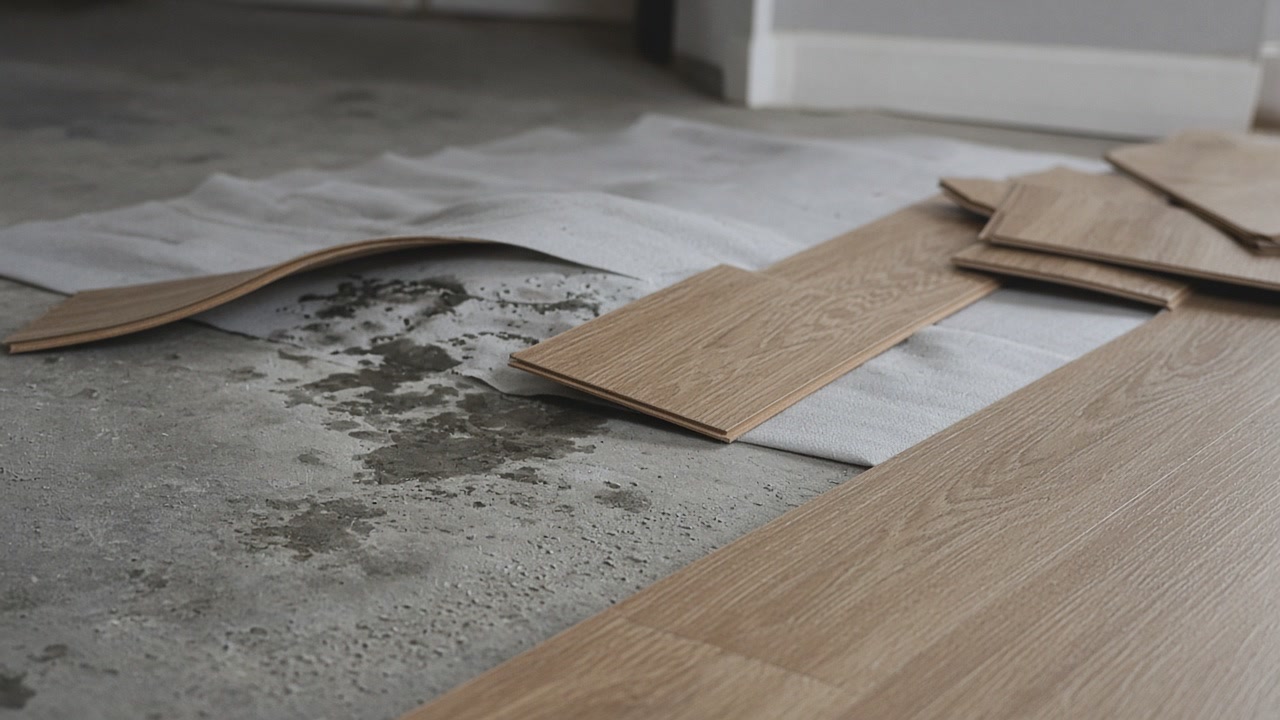
Census estimates for 2020 to 2024 count 18,747 housing units in the Village of Hempstead, 52.5 percent of occupied homes rented and 35.9 percent of units in buildings of twenty or more, against 18.1 percent and 9.0 percent for Nassau County, with a median year built of 1958.
Source: US Census Bureau, American Community Survey 2020-2024 5-year estimates, Hempstead village, tables B25034, B25035, B25003, B25024 and B25040, accessed 2026-09-23
The New York State Department of Labor lists four exemptions from mold licensing: a residential owner working on their own property; a non residential owner or employee working on an apartment building of four or fewer units they own; an owner, managing agent or full time employee working on commercial property or an apartment building of more than four units the owner owns, if they do not do mold work for the public; and government units working on property they own, manage or remediate.
Source: New York State Department of Labor, Mold Frequently Asked Questions, accessed 2026-09-23
The New York State Department of Health lists the first step of mold cleanup as controlling the moisture problem by finding and correcting its source, then discarding porous materials with extensive growth such as drywall, carpeting, paper and ceiling tiles, and discarding any wet material that cannot be cleaned and dried thoroughly.
Source: New York State Department of Health, publication 7287, accessed 2026-09-23
New York Real Property Law section 235-b makes every residential lease, written or oral, carry a landlord's warranty that the premises and the areas shared with other tenants are fit for human habitation and free of conditions dangerous to life, health or safety, and declares any tenant waiver of that right void, though conditions caused by the tenant's own misconduct are not a breach.
Source: New York State Senate, Consolidated Laws, Real Property Law 235-b, accessed 2026-09-23
New York Labor Law section 947 requires a post remediation assessment by the assessment licensee to confirm the work area is free from all visible mold and that the work met the plan, and to determine, to the extent feasible, that the underlying cause has been remediated; if it has not, the licensee must recommend the type of contractor who could fix the source.
Source: New York State Senate, Consolidated Laws, Labor Law 947, accessed 2026-09-23
What mold remediation involves in Hempstead
Who can remove mold in a Hempstead apartment building
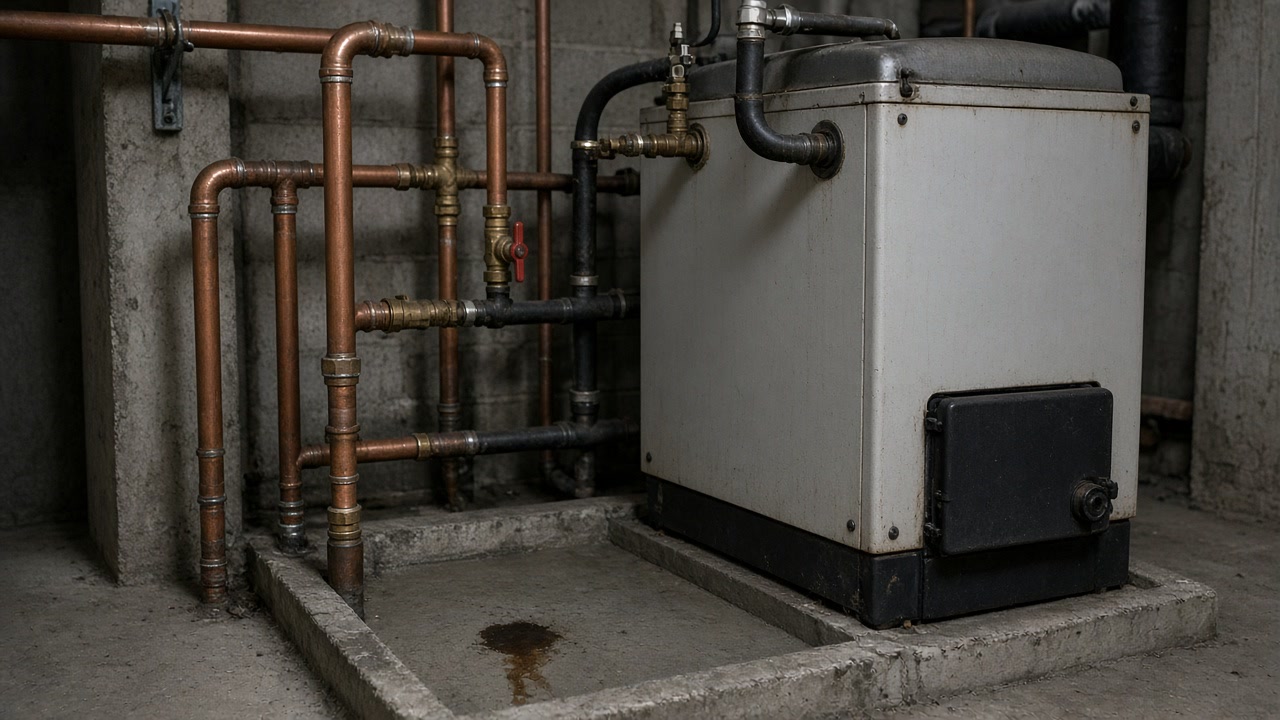
In a Hempstead building, remediation is containment, removal of the porous material the plan lists, cleaning of what stays and an independent clearance afterwards, and the first question is who is allowed to do it. New York's licensing exemptions let an owner, managing agent or full time employee work on an apartment building of more than four units the owner owns, as long as they do not do mold work for the public. That reaches a lot of this village, where 35.9 percent of homes sit in buildings with twenty or more units.
Own or manage a Hempstead building with mold?
Tell us the units affected and the source if known. We connect you with an assessor and licensed removal firms.
Hempstead questions about removal in rental buildings
Does an exemption cover a two-family house I rent out?
New York exempts an owner who does not live there, or that owner's employee, working on an apartment building of four or fewer units they own. Hiring an outside company for a job over ten square feet still requires licensed firms.
A tenant is asking for proof the work was done. What do I give them?
The independent assessor's post remediation assessment. State law requires it after licensed removal, and it records whether the area is free of visible mold and whether the cause was dealt with.
Sort the Hempstead removal before tenants have to ask twice
Send a short outline of the building and the problem. No obligation attached.