
Mold Inspection in Great Neck, NY, From Kings Point to Lake Success
An independent assessor tells you whether the water behind your Great Neck mold rose from the soil or leaked from the building, and writes the removal scope before any firm prices it.
Mold Inspection quote in Great Neck
Tell us the town, the lowest level of the house and where the damp is showing. In Nassau that is usually enough to say whether the water is coming up from the ground or out of the house, and which licensed trade the job needs.
Would you rather talk it through? Call (315) 640-3590.
$100 off your first job
Credited by us on your first booked job.
- One credit per customer per property, on your first booked job.
- Valid through December 31, 2026.
Mention this offer when you book. Full terms.
Great Neck peninsula well depths, shore to ridge
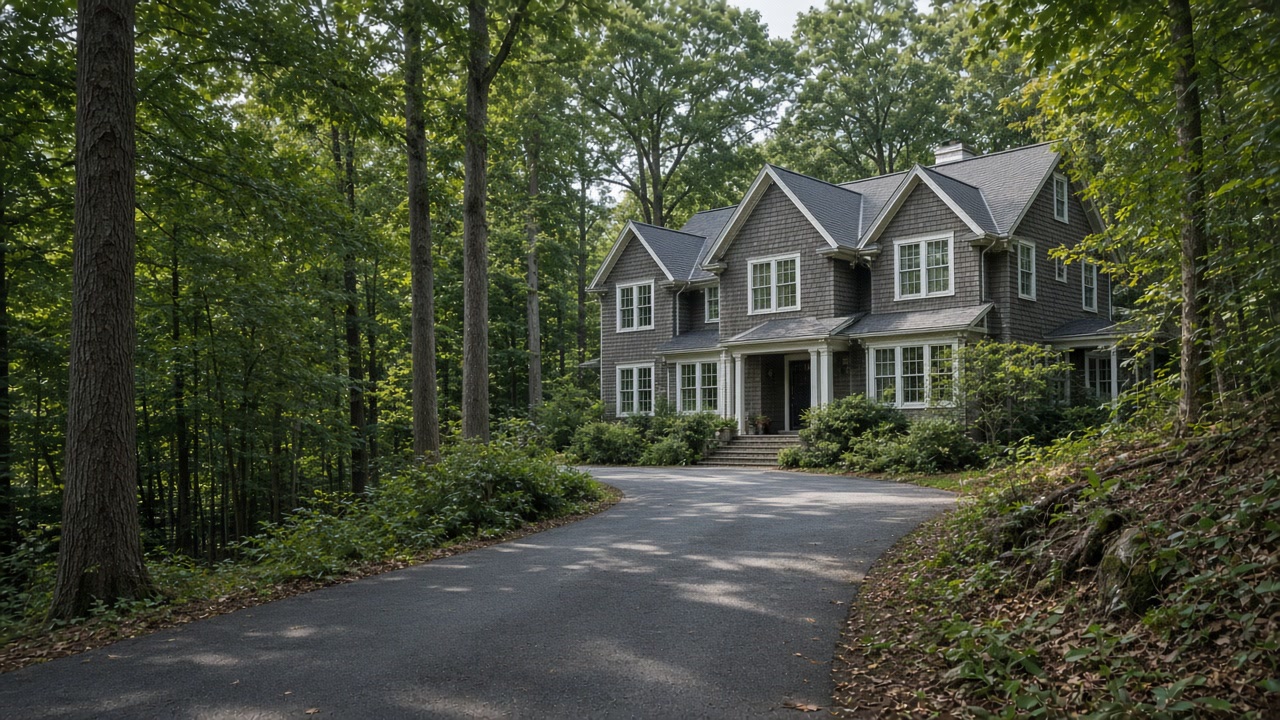
On the moraine ridge in the northwest of the county, USGS water table wells read 141.40 to 141.82 feet down in Lake Success and 122.79 feet down in University Gardens in spring 2016, and a well inside Syosset at 227 feet above sea level read 164.83 to 164.88 feet down.
Source: U.S. Geological Survey, Water Data for the Nation, groundwater field measurements, accessed 2026-09-23
USGS well N 9099, inside the Village of Great Neck, measured the water table 34.11 to 34.24 feet below the surface in three readings between March and May 2016, while shoreline wells in neighboring Kings Point read 6.12 and 7.80 feet.
Source: U.S. Geological Survey, Water Data for the Nation, groundwater field measurements, accessed 2026-09-23
In the spring 2016 USGS readings from North Shore Nassau water table wells, every well with water less than 10 feet below the surface stood at a land elevation of 18 feet or lower, at the harbor and Sound edges, including readings of 6.12 and 7.80 feet in Kings Point, 7.34 feet in Sands Point and 7.77 feet in Baxter Estates. Wells farther up the slopes read tens of feet.
Source: U.S. Geological Survey, Water Data for the Nation, groundwater field measurements, accessed 2026-09-23
USGS states that its 2016 depth to water table map is accurate only at a scale of 1:125,000 with a vertical error of plus or minus 5 feet, because the land elevation data and the water table data behind it were mapped at different scales, and that the general pattern of depth to water follows the topography.
Source: U.S. Geological Survey, Scientific Investigations Map 3398 (Como and others, 2018), accessed 2026-09-23
EPA advises that a homeowner can in most cases clean a moldy area smaller than about 10 square feet, roughly a 3 foot by 3 foot patch, and that larger growth or extensive water damage calls for its remediation guidance.
Source: US Environmental Protection Agency, A Brief Guide to Mold, Moisture and Your Home, accessed 2026-09-23
The New York State Department of Labor states that the mere presence of mold does not trigger any obligation to obtain an assessment or to remediate, but that a property owner who elects to hire an assessor or remediator for a mold project must use licensed firms that follow the law's requirements.
Source: New York State Department of Labor, Mold Frequently Asked Questions, accessed 2026-09-23
A Great Neck assessment, from the shore wells to the ridge
Book an assessment in Great Neck and you get the source of the moisture, the measured extent of the damage and a written plan naming the trade who should fix the cause. The peninsula leaves the source question unusually open. Spring 2016 USGS readings ran from 6.12 and 7.80 feet down at shoreline wells in Kings Point, to about 34 feet under the Village of Great Neck, to 141.40 to 141.82 feet on the moraine ridge at Lake Success. Three houses a few miles apart can have three different answers.
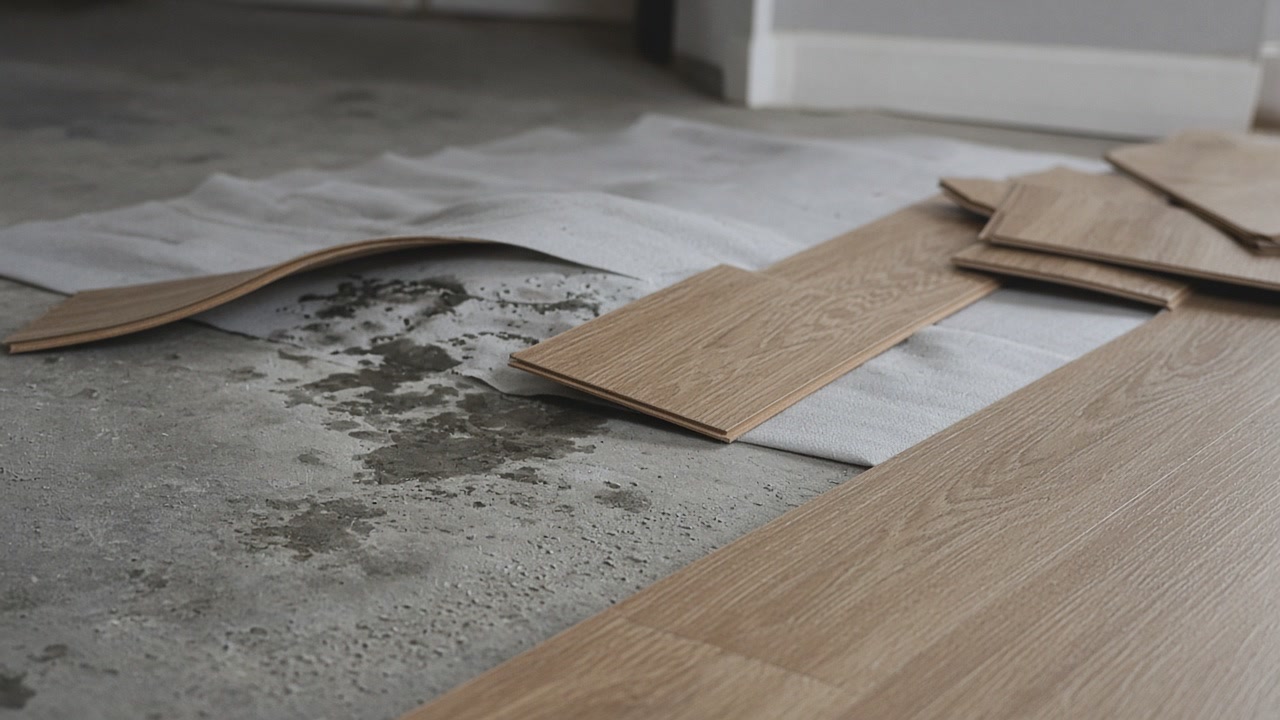
Placing your Great Neck house between the shore and the ridge
Think about where on the peninsula you are before the visit. Near the Kings Point waterline, the shore wells put groundwater only 6 to 8 feet down, and it is worth ruling out properly. Through the Village of Great Neck and up toward Lake Success and University Gardens, it lies far below any cellar, and the house is where the search belongs. The USGS map behind these figures carries a vertical error of plus or minus 5 feet and is not meant for a single lot, which is exactly why the assessor measures the house rather than quoting the map.
Shore, village center or ridge
A rough sense of where the house sits tells the assessor which source to test first. It does not replace the testing.
Apartment or house
In a building, water from another unit or a shared riser is checked before either the ground or your own pipes.
What the growth is on
Growth on painted block, on drywall and on the underside of a floor each lead to a different scope.
Great Neck home near Kings Point or up toward Lake Success?
Tell us roughly where your Great Neck home sits and where the damp shows. We book a licensed assessor with no obligation.
Removal and drying across Great Neck
Great Neck owners ask about inspection
Do I need an assessment for a small patch in the bathroom?
Usually not. The EPA says most people can clean an area under about 10 square feet themselves, and in New York the mere presence of mold creates no duty to hire anyone. Book the assessment when the growth is larger, keeps returning or the source is unclear.
Will the report say anything about the rest of my village?
No. It speaks to the house the assessor walked through. For flood zone status, the current FEMA map for the property is the place to look; the report adds what water actually did inside.
Have the Great Neck source named before any quote
Describe the room and the growth. You will hear back from a person, and if it is a clean-it-yourself patch, we will say so.